

As an Amazon Associate I earn from qualifying purchases. Product links on this page may be affiliate links.
Last Updated on 2026-06-11
When it comes to feeding Betta fish, most people think of bloodworms, brine shrimp, or pellets. But there’s a secret superfood that can greatly benefit your Betta: Spirulina. This blue-green algae is gaining popularity among fish enthusiasts for its incredible health benefits, and it’s not just hype. Spirulina can be a game-changer in your Betta’s diet.
In this comprehensive guide, we’ll explore why Spirulina is beneficial for Betta fish, how it improves their health, and how to incorporate it into their diet. By the end, you’ll understand why this nutrient-packed algae deserves a place in your Betta’s feeding routine.
What is Spirulina?
Spirulina is a type of blue-green algae that grows in both fresh and saltwater. It’s packed with nutrients and has been used for centuries as a dietary supplement for humans, animals, and even fish. It’s considered one of the most nutrient-dense foods on the planet.
- Nutritional Content: Spirulina is rich in proteins, vitamins (A, B, C, E, and K), minerals (iron, calcium, magnesium, potassium), and essential fatty acids. It also contains beta-carotene, chlorophyll, and phycocyanin, which are powerful antioxidants.
Spirulina is typically available in powder, flakes, tablets, or as an ingredient in fish food. It’s a natural, plant-based food source that offers numerous health benefits, making it an excellent supplement for Betta fish.
Why Spirulina is Beneficial for Betta Fish
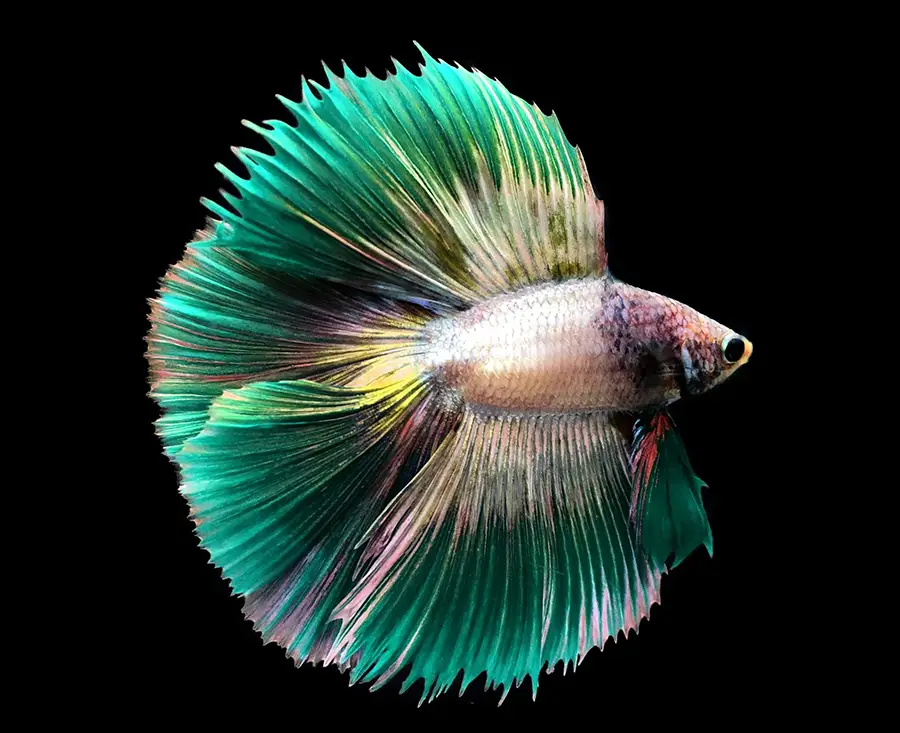
Betta fish are carnivores, but that doesn’t mean they can’t benefit from plant-based foods. In fact, adding Spirulina to their diet can provide a range of health benefits that support their overall well-being.
1. Boosts Immunity and Disease Resistance
Spirulina is a natural immune booster. It contains antioxidants, vitamins, and minerals that help strengthen the immune system of Betta fish. These nutrients protect against infections, diseases, and stress.
- Phycocyanin: This pigment found in Spirulina has powerful anti-inflammatory and antioxidant properties. It helps protect Betta fish from bacterial, fungal, and viral infections.
- Vitamins and Minerals: Spirulina is loaded with vitamins A, C, and E, which are essential for a strong immune system. These vitamins help Betta fish fight off illnesses and recover faster if they do get sick.
Fun Fact: Bettas living in environments with occasional Spirulina supplements have shown increased resistance to common diseases like fin rot and ich!
2. Enhances Color Vibrancy
One of the most noticeable benefits of feeding Spirulina to Betta fish is the enhancement of their colors. Betta fish are known for their stunning hues, and Spirulina can make them even more vibrant.
- Beta-Carotene: Spirulina is rich in beta-carotene, which helps improve red, orange, and yellow pigments in Betta fish. This makes their colors appear more vivid and intense.
- Chlorophyll: The chlorophyll in Spirulina enhances the green and blue pigments, giving Betta fish a more vibrant and shiny appearance.
By incorporating Spirulina into their diet, you’ll notice your Betta’s colors becoming brighter and more radiant over time.
3. Promotes Healthy Digestion
Betta fish can sometimes suffer from constipation or bloating, especially if they’re fed an unbalanced diet. Spirulina is an excellent source of fiber, which helps regulate their digestive system.
- Easily Digestible Proteins: Spirulina contains high-quality proteins that are easier for Betta fish to digest compared to some other protein sources.
- Supports Gut Health: The natural fibers in Spirulina promote healthy gut bacteria, which aids in digestion and prevents constipation.
Adding Spirulina to your Betta’s diet can keep their digestive system running smoothly, reducing the risk of bloating or other digestive issues.
4. Rich Source of Protein for Growth and Development
Betta fish need a protein-rich diet to thrive, as they are naturally carnivorous. Spirulina is an excellent supplement because it contains up to 60-70% protein, making it a great source of essential amino acids.
- Amino Acids: Spirulina provides all the essential amino acids that Betta fish need for muscle growth, fin development, and overall health.
- Supports Growth: Regularly feeding your Betta Spirulina can help them grow faster, develop healthier fins, and maintain a strong, muscular body.
This makes Spirulina a perfect addition to the diet of juvenile Bettas or any Betta that needs extra nutrition.
5. Natural Anti-Inflammatory Properties
Betta fish can sometimes experience inflammation due to injuries, infections, or poor water quality. Spirulina’s anti-inflammatory properties help reduce swelling, redness, and pain.
- Phycocyanin: This pigment in Spirulina has been shown to have anti-inflammatory effects, helping Betta fish recover from injuries or illnesses more quickly.
How to Incorporate Spirulina into Your Betta’s Diet
Now that you know the benefits, let’s talk about how to add Spirulina to your Betta’s diet. Here are some practical ways to do it:
1. Spirulina Pellets or Flakes
Many commercial fish foods now include Spirulina as an ingredient. These pellets or flakes are an easy way to introduce Spirulina into your Betta’s diet without any extra preparation.
- How to Use: Simply feed your Betta the Spirulina-enriched pellets or flakes as part of their regular feeding routine. Make sure the pellets are small enough for your Betta to eat comfortably.

sera 45012 Marine Spirulina Tabs, One Size
- Veggie Tablets
- Sticks to the glass
- Contains 27 % spirulina algae
- For a balanced Diet
2. Spirulina Powder
Spirulina powder is a versatile option and can be added to your Betta’s existing food.
- How to Use: Lightly coat live or frozen foods with a pinch of Spirulina powder before feeding. You can also mix a small amount of the powder with water and offer it directly to your Betta.
Tip: Don’t overdo it! A little bit of Spirulina goes a long way. Start with a tiny pinch and gradually increase the amount.

Organic Spirulina Powder, 1lb | Blue-Green Algae, Naturally Occurring Vegan Protein, Vitamins & Minerals | Source of Natural Chlorophyll & Enzymes | Non-GMO, Gluten-Free, No Additives
- Micro Ingredients offers USDA Organic Spirulina Powder, sourced from freshly harvested raw blue-green algae to preserve its vibrant color and natural nutrient-dense profile.
3. DIY Spirulina Fish Food
If you’re into DIY projects, you can make your own fish food using Spirulina powder. This gives you complete control over the ingredients and ensures your Betta gets a balanced diet.
- Recipe Idea: Mix Spirulina powder with gelatin, mashed peas, brine shrimp, and fish pellets. Form small balls or cubes and freeze them. Thaw before feeding, and your Betta will love this nutritious treat!
How Often Should You Feed Spirulina to Your Betta Fish?
Like any supplement, moderation is key. Spirulina is packed with nutrients, but feeding too much can cause digestive issues or water quality problems.
- Frequency: Offer Spirulina-based foods 1-2 times a week as part of a balanced diet. This ensures your Betta gets the benefits without overloading on nutrients.
- Variety is Important: Betta fish thrive on a varied diet, so don’t rely solely on Spirulina. Include other foods like bloodworms, brine shrimp, daphnia, and high-quality Betta pellets.
Signs That Your Betta is Benefiting from Spirulina
If you’ve started feeding your Betta Spirulina, you might be wondering how to tell if it’s working. Here are some signs to look for:
- Brighter Colors: Your Betta’s colors will become more vibrant and intense, especially reds, blues, and greens.
- Increased Energy: Spirulina provides essential nutrients that support energy and vitality. You’ll notice your Betta swimming more actively and exploring their tank.
- Healthy Fins and Scales: Spirulina’s proteins and vitamins promote fin growth and scale health, giving your Betta a healthier, more polished appearance.
Common Misconceptions About Spirulina for Betta Fish
There are a few myths about Spirulina that might make you hesitant to try it. Let’s clear up some of the most common misconceptions:
1. “Spirulina is only for herbivorous fish.”
This isn’t true! While Spirulina is a plant-based food, it’s packed with nutrients that benefit carnivorous fish like Bettas. The high protein content makes it suitable for all types of fish.
2. “Feeding Spirulina will turn my Betta green.”
No, your Betta won’t turn green from eating Spirulina! Instead, it enhances their natural colors and improves overall health.
3. “Spirulina is just another fad.”
Spirulina has been used for centuries as a nutritional supplement. It’s not just a trend—it’s a proven, beneficial food source that can genuinely enhance your Betta’s health.
Potential Drawbacks and Things to Watch Out For
While Spirulina is generally safe, there are a few things to keep in mind:
- Water Quality: Spirulina can cloud the water if overused, so be mindful of how much you feed. Always remove uneaten food to maintain water quality.
- Digestive Issues: Too much Spirulina can cause bloating or constipation. If you notice your Betta looking bloated, reduce the amount of Spirulina in their diet.
FAQs About Spirulina for Betta Fish
- Can I feed my Betta Spirulina every day?
It’s best to offer Spirulina 1-2 times a week as part of a varied diet. - Is Spirulina good for sick Betta fish?
Yes, Spirulina can boost immunity and help sick Bettas recover faster. However, it’s not a cure and should be part of a balanced diet. - Can juvenile Bettas eat Spirulina?
Yes, juvenile Bettas can benefit from the protein and nutrients in Spirulina, but feed it in moderation. - Will Spirulina enhance all colors of Betta fish?
Yes, Spirulina enhances all colors, but it’s especially effective for red, orange, and green pigments. - Can other fish in my tank eat Spirulina too?
Absolutely! Spirulina is beneficial for most fish species, including bottom dwellers, shrimp, and snails.
Conclusion: Is Spirulina Worth It for Your Betta Fish?
The answer is a resounding yes! Spirulina is a nutrient-packed superfood that offers a wide range of health benefits for Betta fish. From boosting their immunity and enhancing colors to promoting healthy digestion and growth, it’s a fantastic addition to their diet.
By introducing Spirulina in moderation, you’ll see a noticeable difference in your Betta’s overall health, energy levels, and vibrant appearance. So, why not give it a try? Your Betta fish will thank you for it!
Sources:
- https://www.bettafish.com/threads/is-spirulina-ok-to-feed-bettas.783195/
- https://piscespros.com/spirulina-fish-food/
About the author
