

Last Updated on 2024-10-18
Betta fish, also known as Siamese fighting fish, are one of the most popular freshwater aquarium species. Their vibrant colors, flowing fins, and curious personalities make them a favorite among aquarists. However, like any pet, bettas require proper care to thrive, and a key component of their care is their diet. Feeding your betta the right amount and type of food is crucial for its health and longevity. Overfeeding or underfeeding can lead to a range of health issues, from obesity to malnutrition.
In this article, we will delve into the specifics of feeding mini pellets to betta fish. Mini pellets are a common choice among betta owners due to their convenience and balanced nutritional content. We will explore how many mini pellets to feed a betta, considering various factors such as the fish’s age, size, and activity level. Additionally, we will provide guidelines on feeding frequency, signs of overfeeding and underfeeding, and tips for maintaining a healthy diet for your betta. By understanding and implementing proper feeding practices, you can ensure your betta remains vibrant and healthy.
Understanding Betta Fish Nutrition
Natural Diet of Bettas
In their natural habitat, bettas are primarily insectivores. They thrive in the shallow, slow-moving waters of Southeast Asia, including rice paddies, ponds, and slow-moving streams. These environments are teeming with insects and larvae, providing bettas with a rich and varied diet. Wild bettas feast on a variety of small creatures, including mosquito larvae, worms, and small crustaceans. This diet is high in protein, which is essential for their growth, energy, and vibrant colors.
Protein is crucial for bettas because it supports their high metabolic rate and active lifestyle. In the wild, they are constantly foraging and hunting, which requires a substantial amount of energy. Additionally, the natural diet provides essential fats, vitamins, and minerals that contribute to their overall health and immune system. Understanding this natural dietary behavior is key to replicating a balanced diet in captivity, ensuring that bettas receive all the necessary nutrients to thrive.
Nutritional Requirements
Replicating the nutritional profile of a betta’s natural diet is essential for their health and longevity in captivity. The primary nutritional requirement for bettas is a high protein content, typically between 30-50% of their diet. Protein is vital for muscle development, tissue repair, and maintaining their energetic and colorful nature. Additionally, fats are an essential component of their diet, providing a concentrated source of energy and aiding in the absorption of fat-soluble vitamins.
Besides proteins and fats, bettas also need carbohydrates for energy, though in smaller amounts compared to proteins and fats. Fiber is important for digestive health, helping to prevent constipation and other digestive issues. Vitamins and minerals play a crucial role in supporting their immune system, ensuring proper growth, and maintaining their vibrant coloration. Vitamin C, for example, is essential for tissue repair and immune function, while calcium is vital for bone and fin health.
In captivity, providing a diet that meets these nutritional requirements can be challenging but is achievable with high-quality commercial foods and occasional supplementation with live or frozen foods. Ensuring a balanced diet helps prevent common health issues such as fin rot, constipation, and swim bladder disease.
Types of Betta Fish Food
Overview of Commercial Betta Foods
Commercial betta foods are designed to provide a balanced diet that meets the specific nutritional needs of bettas. These foods come in various forms, each with its advantages and disadvantages:
- Flakes: Betta flakes are a convenient option and are formulated to float on the water’s surface, catering to bettas’ natural surface-feeding behavior. However, flakes can lose nutritional value quickly once exposed to air and moisture. They can also disintegrate and pollute the water if not consumed promptly, making them less ideal for maintaining water quality.
- Pellets: Pellets are one of the most popular choices for betta owners. They are nutritionally dense, easy to portion, and designed to float, making them suitable for surface feeders like bettas. Pellets come in various sizes, with mini pellets being particularly popular due to their ease of consumption and reduced risk of overfeeding.
- Freeze-Dried Foods: Freeze-dried options, such as bloodworms, brine shrimp, and daphnia, provide a high-protein treat that bettas find irresistible. These foods retain much of their nutritional value but need to be rehydrated before feeding to prevent digestive issues. They are excellent for occasional treats but should not be the sole diet due to the lack of variety in nutrients.
- Frozen Foods: Frozen foods, including bloodworms, brine shrimp, and mosquito larvae, are highly nutritious and closely mimic the natural diet of wild bettas. They are typically free from pathogens and parasites, making them safe and healthy. Frozen foods must be thawed before feeding and can be stored for long periods, providing a convenient option for adding variety to a betta’s diet.
- Live Foods: Live foods are the closest to a betta’s natural diet and include items such as brine shrimp, daphnia, and blackworms. While they offer excellent nutritional value and stimulate natural hunting behaviors, live foods can carry parasites or diseases if not sourced from reputable suppliers. They require careful handling and storage, making them less convenient than other options.
Benefits and Drawbacks of Different Types
Each type of commercial betta food has its place in a balanced diet:
- Flakes: Convenient and easy to store, flakes are a good supplementary food but should not be relied upon exclusively due to their tendency to lose nutritional value and contribute to water pollution.
- Pellets: Pellets offer a balanced diet and are easy to portion, reducing the risk of overfeeding. They are ideal as a staple food, particularly mini pellets, which are well-suited to bettas’ small mouths and feeding habits.
- Freeze-Dried Foods: These foods provide high-protein treats that add variety to the diet. They are less nutritionally complete than pellets but excellent for occasional feeding. Always rehydrate freeze-dried foods to prevent digestive issues.
- Frozen Foods: Offering high nutritional value, frozen foods are an excellent way to mimic a betta’s natural diet. They can be stored for long periods, making them a convenient option for adding variety.
- Live Foods: While live foods are highly nutritious and beneficial for behavioral enrichment, they carry a higher risk of introducing pathogens. They are best used occasionally and sourced from reputable suppliers to ensure safety.
Incorporating a mix of these food types can help ensure your betta receives a well-rounded diet that supports their health and vitality.

Mini Pellets: A Popular Choice
What Are Mini Pellets?
Mini pellets are a type of commercial betta food specifically designed to meet the dietary needs of bettas. They are small, compact pieces of food that float on the water’s surface, making them ideal for surface feeders like bettas. Mini pellets are formulated to be nutritionally complete, providing a balanced mix of proteins, fats, vitamins, and minerals that support overall health.
The size and shape of mini pellets make them easy for bettas to consume. Unlike larger pellets that may be difficult for smaller bettas to eat, mini pellets are designed to be the perfect size for bettas’ small mouths. This helps reduce the risk of overfeeding and ensures that the fish can easily consume their food without struggling.
Nutritional Composition of Mini Pellets
High-quality mini pellets are carefully formulated to provide all the essential nutrients that bettas need to thrive. The primary ingredient in most mini pellets is a high-quality protein source, such as fish meal, which provides the essential amino acids necessary for muscle growth and repair. In addition to protein, mini pellets contain fats, which are a vital energy source and aid in the absorption of fat-soluble vitamins.
Mini pellets also include essential vitamins and minerals that support various bodily functions. For example, vitamin C is important for tissue repair and immune function, while vitamin A supports vision and skin health. Minerals like calcium and phosphorus are essential for bone and fin health.
To enhance palatability and ensure that bettas readily accept the pellets, manufacturers often include natural flavorings and attractants. Additionally, some mini pellets may contain color enhancers, such as carotenoids, to help maintain the vibrant colors of bettas.
Advantages of Feeding Mini Pellets
- Convenience: Mini pellets are easy to store, measure, and feed, making them a convenient option for betta owners. They have a long shelf life and do not require special storage conditions.
- Portion Control: The small size of mini pellets allows for precise portion control, reducing the risk of overfeeding and ensuring that bettas receive the right amount of food.
- Nutritionally Balanced: Mini pellets are formulated to provide a balanced diet that meets all the nutritional needs of bettas. This helps ensure that bettas receive all the essential nutrients for growth, energy, and overall health.
- Reduced Waste: Mini pellets are less likely to disintegrate and pollute the water compared to flakes. This helps maintain better water quality and reduces the frequency of tank maintenance.
- Floatation: Mini pellets are designed to float on the water’s surface, mimicking the natural feeding behavior of bettas. This makes it easier for bettas to locate and consume the food.
In conclusion, mini pellets are an excellent choice for feeding bettas due to their convenience, balanced nutritional profile, and suitability for surface feeding. By providing mini pellets as part of a varied diet, betta owners can ensure their fish remain healthy, active, and vibrant.
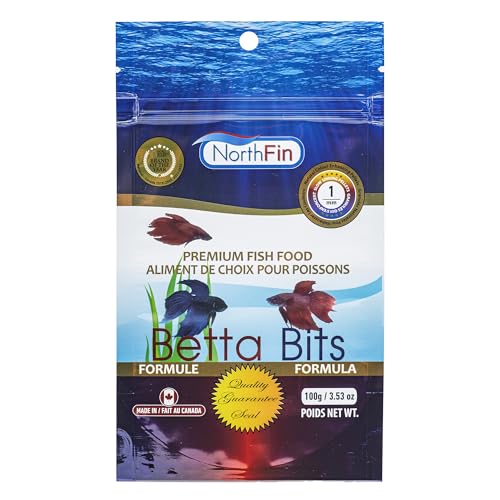
- NorthFin Betta Bits are professionally developed to improve the health and well-being of your Betta Splendens, while naturally enhancing their brilliant colors. No fillers, hormones, and artificial pigments. Easily digestible, floating 1 mm pellets.
Determining the Right Amount of Mini Pellets
Factors Influencing Pellet Quantity
Determining the right amount of mini pellets to feed your betta involves considering several factors, as each fish’s needs can vary. These factors include:
- Size and Age of the Betta: Younger and smaller bettas require less food compared to adult and larger bettas. Juvenile bettas, in particular, have smaller stomachs and higher metabolisms, necessitating more frequent but smaller feedings.
- Activity Level: Bettas that are more active will burn more calories and may require a slightly higher food intake to maintain their energy levels. Observing your betta’s activity level can help you adjust the feeding amount accordingly.
- Metabolic Rate: Individual bettas can have different metabolic rates. Some may naturally require more food than others. It’s essential to monitor your betta’s weight and overall health to ensure you are meeting their nutritional needs without overfeeding.
- Water Temperature: Bettas are tropical fish and thrive in water temperatures between 76-82°F. Warmer water temperatures can increase their metabolic rate, requiring a higher food intake. Conversely, cooler temperatures can slow their metabolism, necessitating a reduction in food.
General Feeding Guidelines
As a general rule, you should feed your betta 2-4 mini pellets per meal, twice a day. This amount can vary depending on the size of the pellets and the specific needs of your betta. It’s better to start with a smaller amount and adjust as needed.
- Morning and Evening: Feed your betta once in the morning and once in the evening. This helps distribute their food intake evenly and supports their high metabolism.
- Portion Control: Use a small spoon or your fingers to measure out the pellets. Avoid pouring directly from the container, as this can lead to overfeeding.
Adjusting Pellet Quantity Based on Individual Betta
To determine the precise amount of food for your betta, observe their behavior and physical condition:
- Healthy Appetite: A betta with a healthy appetite will eagerly swim to the surface to eat and consume all the pellets quickly. If your betta leaves food uneaten, you may be providing too much.
- Body Condition: A well-fed betta should have a slightly rounded belly without appearing bloated. If your betta appears thin or shows signs of weight loss, you might need to increase the feeding amount. Conversely, a bloated appearance can indicate overfeeding.
- Behavioral Cues: Bettas that constantly search for food or display signs of agitation may be hungry. However, be cautious not to misinterpret these behaviors as bettas are naturally curious and may explore their environment even when they are not hungry.
Adjusting the feeding amount based on these observations ensures that your betta receives adequate nutrition without the risk of overfeeding, which can lead to health issues such as obesity and poor water quality.
Feeding Schedule for Betta Fish
Recommended Feeding Frequency
Establishing a regular feeding schedule is crucial for maintaining your betta’s health and ensuring they receive consistent nutrition. The recommended feeding frequency for bettas is twice a day, which aligns with their natural feeding behavior and high metabolic rate.
- Twice Daily: Feeding your betta twice a day helps maintain their energy levels and supports their active lifestyle. Consistent feeding times also create a routine that your betta can anticipate, reducing stress and promoting well-being.
- Small Portions: Bettas have small stomachs, approximately the size of their eye. Offering small portions twice a day prevents overfeeding and helps manage their dietary needs effectively.
Best Times of Day to Feed Bettas
Feeding your betta at consistent times each day helps establish a routine and ensures they receive the nutrients they need at regular intervals. Here are some guidelines for choosing the best times to feed your betta:
- Morning Feeding: Feed your betta shortly after you wake up, typically between 8:00 AM and 10:00 AM. This allows them to start their day with a nutritious meal, providing energy for their activities.
- Evening Feeding: Feed your betta again in the evening, usually between 6:00 PM and 8:00 PM. This timing ensures they have a balanced intake throughout the day and supports their metabolic needs during the night.
Consistency is key when establishing a feeding schedule. Bettas thrive on routine, and feeding them at the same times each day helps create a stable and predictable environment.
Importance of Routine
Maintaining a regular feeding schedule has several benefits for your betta’s health and well-being:
- Digestive Health: Regular feeding times support healthy digestion and prevent gastrointestinal issues. Bettas are less likely to experience constipation or bloating when fed consistent, small portions.
- Behavioral Stability: A predictable routine reduces stress and anxiety, contributing to a more stable and content betta. Consistent feeding times can help prevent aggressive or erratic behavior often associated with hunger or overfeeding.
- Monitoring Health: Regular feeding allows you to monitor your betta’s health more effectively. Changes in appetite or eating behavior can be early indicators of health issues, and a consistent schedule makes it easier to detect these changes.

Signs of Overfeeding and Underfeeding
Indicators of Overfeeding
- Swollen Belly: A bloated appearance can indicate overfeeding.
- Lethargy: Overfed bettas may become less active.
- Uneaten Food: Food left in the tank after feeding time can signal overfeeding.
Consequences of Overfeeding
- Obesity: Overfeeding can lead to weight gain and related health issues.
- Poor Water Quality: Excess food can decay and pollute the water, leading to ammonia spikes and stress.
- Digestive Issues: Overfeeding can cause constipation and other digestive problems.
Signs of Underfeeding
- Weight Loss: A thin appearance may indicate insufficient feeding.
- Increased Aggression: Hunger can make bettas more aggressive.
- Constant Searching for Food: Persistent foraging behavior suggests hunger.
Consequences of Underfeeding
- Malnutrition: Inadequate nutrition can weaken the immune system and reduce vitality.
- Stunted Growth: Young bettas may not grow properly if underfed.
- Increased Susceptibility to Disease: Malnourished bettas are more prone to illnesses.
Adjusting Feeding Based on Life Stages and Health
Feeding Juvenile Bettas
Juvenile bettas require more frequent feedings due to their rapid growth. Feed them small amounts 3-4 times a day.
Feeding Adult Bettas
Adult bettas should be fed 2-3 mini pellets twice a day. Adjust the amount based on their size and activity level.
Special Considerations for Sick or Elderly Bettas
Sick bettas may need easily digestible food and more frequent, smaller feedings. Elderly bettas might also require dietary adjustments based on their health and activity level.
Common Feeding Mistakes and How to Avoid Them
Overfeeding
Avoid overfeeding by sticking to a regular feeding schedule and measuring out portions carefully. Remove any uneaten food after feeding to prevent water pollution.
Underfeeding
Ensure you are feeding enough by observing your betta’s weight and activity. If in doubt, consult a veterinarian or experienced aquarist.
Inconsistent Feeding Schedule
Maintain a consistent feeding schedule to keep your betta’s metabolism stable. Set reminders if needed to ensure regular feedings.
Using Low-Quality Food
Invest in high-quality betta pellets to ensure your fish receives balanced nutrition. Avoid generic fish foods that may not meet your betta’s specific needs.
Tips for Successful Betta Feeding
Monitoring Betta Health and Behavior
Regularly observe your betta for signs of health and well-being. A healthy betta will be active, vibrant, and responsive during feeding times.
Incorporating Variety into the Diet
Occasionally supplement mini pellets with live, frozen, or freeze-dried foods to provide variety and enrichment. This can help prevent boredom and ensure a well-rounded diet.
Importance of Clean Water and Tank Maintenance
Maintain clean water by performing regular water changes and using a good filtration system. Proper tank maintenance helps prevent health issues and supports overall well-being.

Conclusion
Feeding your betta the right amount of mini pellets is crucial for their health and happiness. By understanding their nutritional needs, establishing a consistent feeding schedule, and monitoring their behavior, you can ensure your betta thrives. Remember to adjust the feeding amount based on individual needs and life stages, and always prioritize high-quality food. With proper care and attention, your betta will remain a vibrant and engaging companion in your aquarium.
Frequently Asked Questions (FAQ)
How Do I Know if I’m Feeding My Betta the Right Amount? Monitor your betta’s behavior and appearance. A healthy betta will be active and have a slightly rounded belly without being bloated.
Can I Feed My Betta Only Mini Pellets? While mini pellets can be the staple of your betta’s diet, it’s beneficial to occasionally supplement with live, frozen, or freeze-dried foods for variety.
How Long Can Bettas Go Without Food? Bettas can survive up to two weeks without food, but it’s not recommended. Regular feeding ensures they remain healthy and active.
What Should I Do if My Betta Refuses to Eat? Check the water quality and temperature, and ensure the food is fresh. If your betta still refuses to eat, consult a veterinarian to rule out any health issues.


