

Last Updated on 2026-07-06
If you’ve noticed fish poop in your tank, you’re probably thinking of all the easiest ways to get rid of it. After all, if you can get rid of it effortlessly, that’s the best-case scenario. In this article, not only will you find out what eats fish poop, but you’ll also learn other ways to get rid of it, what happens if you don’t get rid of it, and how to prevent a buildup in the future.
So keep reading to find out everything you need to know!
Do Shrimp Eat Fish Poop?
People often add shrimp to their tanks because they think they’re going to eat the fish poop and any other waste in the tank. However, fortunately, there are no shrimp that eat fish poop. Cherry shrimp, ghost shrimp, Amano shrimp, and all the other popular shrimp choices will not eat poop, but instead, they’ll eat other forms of waste in the tank.
What Do Shrimp Eat?
Although shrimp aren’t going to eat the fish poop in your tank, there are plenty of other things you can expect them to eat in the tank! Such as:
- Any animals that have died in your tank.
- Small living creatures and parasites that may be inside your tank.
- Algae
- Leftover food which has gone uneaten by fish.
- Lastly, shrimp are also going to eat any of the dead plants you find in your tank as well.
Do Snails Eat Fish Poop?
Unfortunately, contrary to what some people believe, snails won’t eat fish poop in your tank, either. Even the most common snails, such as mystery snails and nerite snails aren’t going to eat fish poop in your tank. However, they do eat other waste such as algae, decaying plant matter, and old fish food.
What Do Snails Eat?
Similar to shrimp, snails are going to eat the following when you place them in your tank!
- Snails love to eat algae, and they often favor slime algae over hair algae.
- As well as algae, they’ll also eat most of the plants in your tank if you’re hungry enough.
- They’ll also eat algae tablets that you place in your tank for your fish.
- Carnivorous snails are also going to eat other snails in your tank as well.
- They’ll also eat most other types of organic matter in the tank apart from the fish waste itself.
What Will Eat Fish Poop In An Aquarium?
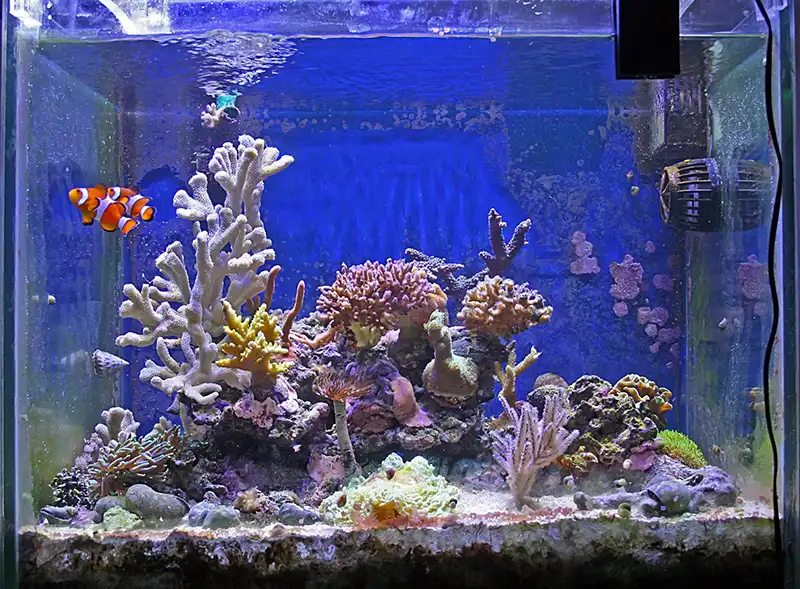
The truth is, there’s no animal that you can put in an aquarium that will eat fish poop. Fish poop has no nutrients in it, so it’s simply not worth eating. But don’t be disheartened. Fortunately, fish poop is incredibly easy to remove from your aquarium, and you can do so often with minimal effort!
Benefits of Live Plants
Including live plants in your aquarium can help manage waste and improve overall water quality.
- Nutrient Uptake: Live plants absorb nitrates and other nutrients from fish waste, which helps keep the water cleaner. As plants grow, they utilize these nutrients, reducing the buildup of harmful substances.
- Oxygenation: Plants release oxygen into the water through photosynthesis, which can benefit fish health and contribute to a balanced ecosystem.
- Types of Plants: Consider hardy plants like Java fern, Anubias, and Hornwort that are easy to maintain and effective in nutrient uptake. These plants are well-suited for beginners and provide excellent water purification.
How To Remove Fish Poop From Your Fish Tank
Fortunately, getting rid of fish poop from your fish tank is incredibly easy, and you don’t have to rely on any of the tank mates to do it for you. Instead, you can simply do the following:
Use A Gravel Vacuum
The easiest way to remove all the fish waste from your tank is to simply use a gravel vacuum. If you have sand in your tank, then you should place the vacuum just above the surface, so you don’t siphon up the sand too. However, if you have gravel itself, you can kick it up a bit with the vacuum to make sure you’re getting into all the nooks and crannies.
Add A Sponge To Your Intake Filter
Another great, effortless way to remove fish poop from your tank is by adding a sponge to your intake filter. This way, a lot of it will naturally get sucked up and stuck on the sponge. Then every once in a while, you’ll just need to clean the sponge and put it back.
And as well as adding a sponge to your intake filter, you should also make sure you’re using a high-quality filter with good mechanical media to remove all the waste as well!
Importance of Regular Water Changes
Regular water changes are essential to maintain water quality and prevent the buildup of waste products.
- Frequency: Perform partial water changes (20-30%) weekly to keep the water clean and remove accumulated waste. This helps dilute harmful substances and replenish essential minerals.
- Technique: Use a siphon or gravel vacuum to remove debris from the substrate during water changes. This not only removes fish poop but also other decaying matter that can degrade water quality.
Filter Maintenance
Maintaining your aquarium filter is crucial for efficient waste management.
- Regular Cleaning: Clean or replace filter media according to the manufacturer’s instructions to ensure optimal performance. A clogged filter can reduce water flow and decrease the filter’s effectiveness.
- Types of Filters: Consider using a combination of mechanical, chemical, and biological filtration to effectively remove waste and toxins. Mechanical filters trap debris, chemical filters remove dissolved wastes, and biological filters cultivate beneficial bacteria that break down ammonia and nitrites.
Use of Detritivores
While no creatures eat fish poop directly, certain detritivores can help break down waste, making it easier to manage.
- Species: Include creatures like certain species of snails (e.g., Malaysian trumpet snails) and shrimp (e.g., Amano shrimp) that consume detritus and leftover food, indirectly helping keep the tank clean. These organisms help break down organic matter, making it easier for your filter to remove it.
- Population Control: Maintain a balanced number of detritivores to avoid overpopulation and additional waste production. Too many detritivores can lead to increased bioload and further water quality issues.

What Happens If You Let Fish Poop Build Up In Your Tank
If you let fish poop build up in your tank, it’s going to have a number of negative effects on the tank, which can result in your fish becoming sick and, sometimes, even dying! Some of the effects include:
Your Fish Are More Susceptible To Disease
When you allow fish poop and other waste to build up in your tank, it’s going to make the water dirty, weaken your fish’s immune system and make them a lot more susceptible to diseases and illnesses.
The Ammonia In The Tank Will Rise
When you’re keeping an aquarium, it’s vital for the health of your fish to keep the ammonia levels at 0ppm. However, the more fish poop and waste there is in the tank, the more likely the ammonia level will spike. While there are beneficial bacteria in the tank that consume it, even they can only do so much before the ammonia levels swing.
The Tank Will End Up Being Covered In Algae
Algae thrives in dirty environments that are full of waste, so if you don’t remove the fish poop often, then the chances of an algae bloom in the tank grow massively. And not only could be algae growing on everything in the tank, but it may also be algae that ends up causing the tank water itself to turn green.
How To Prevent Fish Poop Building Up In Your Aquarium?
There are also plenty of things you can do to prevent fish poop from building up in your aquarium as well. And prevention is just as good as removal itself. Here are a few of the ways you can prevent a buildup!
Don’t Overstock Your Tank
Of course, the best thing you can do is avoid overstocking your tank. As a rule of thumb, you should keep 1 inch of fish per gallon of water. However, each individual fish will have its own requirements, and some will need more space.
Make Sure You’re Not Overfeeding Your Fish
You should also make sure you’re not overfeeding your fish as well. The more you feed your fish naturally, the more they’re going to need to poop. And most fish are gutty, and they’ll continue to eat even when they’re full.
Sometimes this overeating can also result in other problems such as constipation and even swim bladder disease.
Substrate Choice
The type of substrate in your aquarium can affect how easily waste is managed.
- Gravel vs. Sand: Gravel can trap more debris, making it easier to clean with a vacuum, while sand can prevent waste from sinking deep, allowing easier surface cleaning. Choose a substrate that matches the needs of your aquarium inhabitants and your maintenance routine.
- Cleaning Frequency: Regularly clean the substrate to prevent waste buildup, regardless of the type. Stirring the substrate gently can help release trapped debris for easier removal.
Signs of Poor Water Quality
Recognizing the signs of poor water quality can help prevent issues related to waste buildup.
- Visual Cues: Cloudy water, excessive algae growth, and foul odors are indicators of poor water quality. These signs suggest that waste and toxins are accumulating in the tank.
- Fish Behavior: Look for signs of stress in fish, such as lethargy, gasping at the surface, or unusual swimming patterns. These behaviors can indicate poor water conditions and the need for immediate attention.
We’ve also written about whether aquarium lights should be on or off at night if you want to dig deeper.
FAQ
Here are some frequently asked questions people have about what will eat fish poop in their tank.
Do Crabs Eat Fish Poop?
Unfortunately, there are no crabs, including freshwater crabs, that are going to eat fish poop in your tank.
Do Plants Eat Fish Poop?
Having plants in your fish tank is a great way to help get rid of any bad effects caused by fish poop. Plants use fish waste as fertilizer, and it will only cause them to grow faster and stronger.
Do Plecos Eat Fish Poop?
Plecos, like all other bottom feeders, will avoid fish poop; instead, they’ll eat other kinds of waste, such as old plants, algae, and other forms of vegetation.
Recap
As you can see, if you need to remove fish poop from your tank, there isn’t any creature that is going to be able to do it for you. Instead, you’re going to need to remove it manually and prevent a buildup as best you can.
If you liked this article, make sure you check out the rest of the website! Otherwise, have a great day!
About the author
