
Last Updated on 2025-11-10
Small, vibrant, and full of life—Green Neon Tetras are a brilliant choice for aquarists seeking beauty and simplicity. Though often overshadowed by their famous cousins, these eye-catching fish offer just as much charm, and arguably more uniqueness.
Their glowing, greenish-blue stripes shimmer under soft lighting, and their peaceful demeanor makes them ideal for planted tanks and community aquariums. Yet, many hobbyists still confuse them with neon or cardinal tetras. That ends now.
This guide covers everything you need to know—how to care for them, what to feed them, where they thrive, and how to bring out their best colors. Whether you’re a beginner or seasoned aquarist, you’ll walk away confident and inspired to welcome these beauties into your tank.
So keep reading to find out everything you need to know!
SUMMARY
| Name | Green Neon Tetra, False Neon Tetra (Paracheirodon simulans) |
| Origin | South America – Orinoco & Rio Negro Rivers |
| Size | Up to 1 inch (2.5 cm) |
| Lifespan | 2–3 years |
| Temperament | Peaceful, schooling |
| Diet | Omnivore |
| Tank Size | 15–20 gallons minimum (larger preferred) |
| Temperature | 75–84°F (24–29°C) |
| pH | 5.0–6.5 |
| Water Hardness | Very soft – 2–12 dGH |
| Substrate | Dark sand (recommended) |
| Lighting | Low to moderate |
| Filtration | Gentle flow – sponge filters or pre-filtered HOBs |
| Decor | Dense plants, driftwood, leaf litter |
| School Size | Minimum 6–8; 10+ preferred |
| Tank Level | Mid-water |
| Compatible Tank Mates | Pygmy Corydoras, Otocinclus, Honey Gouramis, small Rasboras |
| Incompatible Species | Large or aggressive fish (e.g. Bettas, Barbs, Cichlids) |
| Feeding | Micro flakes, nano pellets, live/frozen baby brine shrimp, daphnia |
| Feeding Frequency | 1–2 times daily in small portions |
| Breeding | Moderate difficulty – Egg scatterers, no parental care |
| Breeding Setup | Soft water, dim light, spawning grate, java moss, dark tank |
| Fry Care | Infusoria, green water, microworms, baby brine shrimp |
| Common Diseases | Ich, Neon Tetra Disease |
| Preventive Care | Stable water, quarantine, avoid overfeeding |
Meet the Green Neon Tetra: Species Summary & Origins
The Green Neon Tetra (Paracheirodon simulans), also called the False Neon Tetra, is a freshwater species from the Amazon Basin. Native to the dark, tannin-rich waters of the Negro and Orinoco Rivers, these tiny fish thrive in acidic, slow-moving streams surrounded by leaf litter and driftwood.
They’re closely related to the classic Neon Tetra (P. innesi) and the larger Cardinal Tetra (P. axelrodi). At first glance, it’s easy to confuse them. But a closer look reveals key differences.
Key Characteristics That Set Them Apart
- Size: Green Neon Tetras max out at just 1 inch (2.5 cm), smaller than both their cousins.
- Color: Their shimmering green-blue stripe is more intense and covers most of their body. The red patch seen in neon tetras is faint or missing entirely.
- Behavior: Like most tetras, they’re peaceful, schooling fish—but tend to be shyer, making them perfect for calmer setups.
These fish live about 2 to 3 years with proper care. While their lifespan is modest, their visual impact in a well-designed tank is anything but.
Tank Setup Essentials for Green Neon Tetras

Creating a healthy habitat for Green Neon Tetras isn’t difficult—but it does require thoughtful planning. Mimicking their natural blackwater environment is key to reducing stress and enhancing their vibrant colors.
Ideal Tank Size and Layout
Despite their size, these fish are active swimmers and need room to school. A minimum of 15 gallons is recommended, though 20 gallons is ideal. More space allows you to keep a group of 10 or more, which makes them feel safer and behave naturally.

- 20 U.S. gallon glass aquarium
Avoid overcrowding. These tetras do best in clean, stable environments where water conditions don’t fluctuate.
Water Parameters They Love
Green Neon Tetras prefer:
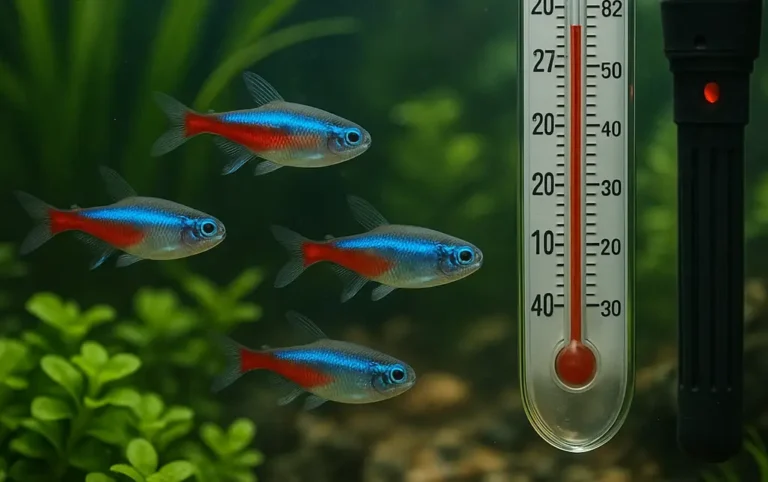
- Temperature: 75°F to 85°F (24°C to 29°C)
- pH: 5.0 to 6.5 (soft, acidic)
- Hardness: Very soft water (0–5 dGH)

- ★100W aquarium heater is suitable for 10 to 20 gallons aquariums,Length – 9″,voltage 110-120V, power cord is 6ft, please choose the right wattage aquarium heater according to our size chart.

To maintain these conditions, use RO (reverse osmosis) water or add driftwood and Indian almond leaves to lower pH naturally. Perform 25% weekly water changes to keep things stable.
Substrate and Decor
Use a sandy substrate to reflect their riverbed origins. Add driftwood, leaf litter, and dense aquatic plants like Java fern, hornwort, or Anubias. Floating plants are a bonus—they diffuse light and give the fish a sense of security.

- Hermit Crab Bedding: Natural Sand Substrate is the perfect bedding, offering a mix of sand, coconut fiber, sea salt, calcium carbonate and natural probiotics to replicate their natural environment
- Water Retention: This hermit crab sand substrate contains coconut fibers which aid with water retention, crucial for maintaining a healthy and comfortable hermit crab soil environment
Aim for low to moderate lighting. These fish dislike bright conditions, so a dim setup not only reduces stress but enhances their glowing stripe.

- LED indicator light flashes when water cannot pass through the cartridge, generally indicating it’s time to change the cartridge
Filtration and Flow
Choose a gentle sponge filter or a filter with adjustable flow. Avoid strong currents—Green Neon Tetras aren’t built for rushing waters. Add a pre-filter sponge to protect them from being sucked in.
- LED indicator light flashes when water cannot pass through the cartridge, generally indicating it’s time to change the cartridge
Plants
It’s best to give your green neon tetras both open swimming space and lots of plants to hide behind. When they feel safe, they’ll go to school together in open areas. When they don’t feel safe, they’ll run into plants.
They like tall plants and vegetation like Ludwigia repens, Brazilian pennywort (which can also be used as a floating plant), vallisneria, cabomba, or Cryptocoryne wendtii. Green Neon tetras also like floating plants like frogbit, dwarf water lettuce, and red river floaters. They enjoy exploring the roots that extend below the surface.
Live plants also help eliminate nitrates from your water, which is a nice bonus. So they are both useful and pretty. If you don’t like natural plants, you can use tall fake plants instead.
You can also add Indian Almond Leaves to your tank, as they’ll provide some nice leaf litter to the substrates and release tannins into the water which your Green neon tetras will love!
Feeding Green Neon Tetras the Right Way
Feeding Green Neon Tetras isn’t complicated, but variety and portion control are key. These omnivores are opportunistic feeders in the wild, picking at tiny insects, zooplankton, crustaceans, and plant matter. In captivity, they do best on a diverse, protein-rich diet tailored to their tiny mouths.
What to Feed Them
For daily nutrition, use a mix of high-quality micro flake food and nano pellets designed for small tropical fish. Make sure the food is finely crushed—anything too large will be ignored or fall to the bottom, where it can rot and harm water quality.

- TROPICAL FORMULATION: Highly digestible ingredients for use as staple food for your top- and mid-feeding tropical fish.
Supplement their diet with:
- Freeze-dried tubifex worms
- Crushed bloodworms
- Live or frozen baby brine shrimp
- Daphnia or cyclops
- Microworms for very young specimens
These foods not only improve color and vitality but also mimic natural feeding behaviors.
How Often Should You Feed?
Feed small portions twice daily, offering only what they can consume in about 2 minutes. Overfeeding is a common mistake—especially in community tanks where food is shared. Uneaten food leads to poor water quality and increased disease risk.
Keep mealtimes consistent, and observe your fish. Healthy tetras will dart eagerly for food and remain active afterward. Lethargy or disinterest might signal a problem.
Enrichment Feeding Tip
Try target feeding with a pipette or turkey baster. Drop micro foods near planted areas or into current-free zones. It simulates natural scavenging and reduces competition from faster species in the tank.
Behavior, Temperament & Ideal Tank Mates
Green Neon Tetras are the definition of peaceful. They’re calm, gentle, and happiest in groups. These schooling fish rely on numbers for safety and confidence—both in the wild and in your aquarium.
Social Structure and Schooling
Keep at least 6 to 8 individuals, though groups of 10+ are even better. In larger numbers, they display more vivid colors and exhibit natural schooling behavior. Isolated tetras tend to hide more, eat less, and remain stressed.
In a school, they move in unison like a tiny glowing ribbon—an impressive sight in any aquascape.
Tank Mate Compatibility
Because they’re non-aggressive and easily startled, choose tank mates that are:
- Small
- Slow-moving
- Non-aggressive
Top tank mate choices include:
- Pygmy Corydoras
- Otocinclus catfish
- Honey gouramis
- Endler’s livebearers
- Dwarf rasboras
Avoid larger, boisterous, or nippy species like tiger barbs, angelfish, or bettas. These can outcompete them for food or cause chronic stress.
Species-Only Setup? A Great Option
A dedicated Green Neon Tetra tank is a stunning alternative. With no distractions, their shimmering bodies take center stage—especially in a dark, planted biotope-style setup. This also simplifies care and feeding while reducing stress from tank mate interactions.
How Many Green Neon Tetras Can You Keep Together?
Green neon tetras should always be kept with others. Try to get at least six, but if you have room in your aquarium, they will be happier in larger groups. These fish naturally form schools, or groups, and swim around the tank together. This power in numbers gives them confidence near other tank residents.
Stress can shorten the lifespan of a lone green neon tetra. Keeping a big group is a good idea because it shows off their colors and behaviors.

How to Breed Green Neon Tetras Successfully
Breeding Green Neon Tetras is a rewarding challenge, but it requires patience, precision, and the right setup. These fish are egg scatterers, meaning they release their eggs freely across the tank floor—often in plants or substrate—making those eggs vulnerable to being eaten, even by the parents.
Breeding Tank Setup
Start with a separate 10-gallon tank, kept in a low-light environment. Use RO water or soft, dechlorinated tap water treated with peat or blackwater extract. Keep the pH between 5.0–6.0 and the temperature at the high end—82°F to 85°F (28°C to 29°C).
Add:
- Fine-leaf plants like Java moss
- Driftwood or catappa leaves for tannins
- A mesh or breeding grate elevated on risers to protect falling eggs
Keep the tank bare-bottomed beneath the mesh to make egg spotting easier. Reduce filtration to a gentle sponge filter to prevent fry from being sucked in.
Conditioning and Spawning
Separate males and females for a week and feed them high-protein live foods like baby brine shrimp, daphnia, and bloodworms. When females appear plump with eggs, select a breeding pair or small group and introduce them into the tank in the evening.
Spawning usually occurs overnight. Remove adults the next morning to prevent egg predation.
Caring for the Fry
Keep the tank dark for 5 days. The eggs are sensitive to light and fungus. When fry become free-swimming, begin feeding infusoria or green water. After a few days, move to microworms and baby brine shrimp to support fast, healthy growth.
Maintain water quality with gentle, frequent changes. Fry are delicate, and clean water is vital for survival.
Common Health Issues and Prevention Tips
Though generally hardy, Green Neon Tetras can be susceptible to certain illnesses, especially if their environment is unstable or overcrowded. Good husbandry is your best line of defense.
Diseases to Watch For
- Ich (white spot disease): Small white cysts on the skin and fins; treat quickly with heat and aquarium-safe medications.
- Fin rot and bacterial infections: Often stress-induced or linked to poor water quality.
- Neon Tetra Disease: Though rare, it can affect all Paracheirodon species. Symptoms include color loss, lethargy, and body deformities. Unfortunately, it’s not curable, and affected fish should be removed.
Prevention Starts With Stability
- Test water weekly using a reliable kit
- Change 25% of the water every 7 days
- Avoid overfeeding—uneaten food decays quickly
- Quarantine new fish before introducing them to your tank
Tetras also stress easily. Keep lighting subdued, avoid sudden movements, and maintain a peaceful tank environment. Happy, stress-free fish are far more resistant to disease.
Why Green Neon Tetras Make Stunning Centerpiece Fish
Though small in size, Green Neon Tetras pack a visual punch that few fish can rival. Their iridescent green-blue glow makes them pop in any planted or blackwater tank. And while they’re often labeled as a “background fish,” they’re more than capable of being the stars of the show.
Visual Impact in Aquascapes
In well-designed aquariums with dark substrates and natural decor, these tetras shimmer like swimming jewels. Their color intensifies under dim lighting and looks phenomenal when offset by green plants, brown driftwood, or tannin-rich water.
They move as a coordinated unit, especially in larger schools, creating an elegant, ever-shifting display. This movement draws the eye and gives a sense of depth and life to any aquascape.
Minimal Disruption, Maximum Beauty
Green Neon Tetras don’t uproot plants, nip fins, or cause chaos. They’re unobtrusive but visually captivating, making them ideal for nano tanks, community aquariums, or biotope setups. You don’t need a flashy centerpiece fish when a shoal of glowing tetras steals the spotlight with sheer grace.
The Aesthetic Advantage
Few fish offer such a refined balance of color, movement, and calm behavior. Whether you’re a beginner with a planted 15-gallon tank or an aquascaping veteran working on a 100-gallon jungle layout, Green Neon Tetras add elegance and cohesion.
Conclusion
Green Neon Tetras are a hidden gem in the world of freshwater aquariums. They’re peaceful, easy to care for, visually stunning, and perfect for planted tanks. While they may be smaller than their famous cousins, they more than make up for it with color, personality, and schooling charm.
With proper tank conditions, a varied diet, and thoughtful companions, these fish thrive—and light up your aquarium in the process. They’re beginner-friendly yet beautiful enough to earn a place in expert tanks.
Whether you’re building a calm community tank or a spotlight nano setup, Green Neon Tetras deserve a place in your aquatic collection..
FAQs
Here are some frequently asked questions that people have about caring for green neon tetras
Green Neon Tetras vs. Neon Tetras
Green neon tetras and neon tetras are both popular freshwater fish often compared to each other. Both species are tetras with brilliant colors and similar body shapes.
But there are a few things that make them different. Neon tetras have a brilliant red stripe down their bodies, while green neons are bright green and blue. Also, green neon tetras are a little bigger than neon tetras.
How Many Green Neon Tetras Can You Put in A 10-Gallon Tank?
In a 10-gallon fish tank, you can typically keep 4-5 green neon tetras. More than this can cause overcrowding which results in poor water quality and stress in your fish. However, ideally, you should keep them in a 15 gallon tank.
Should Water Be Soft or Hard for Green Neon Tetras?
The hardness range for green neon tetras is between 8-16 GH. Green neon tetras thrive in soft water but can survive in medium-hard water with high quality.
How to Tell if Your Green Neon Tetra Is Male or Female?
Both male and female green neon tetras look alike. Their size is the best indicator of their gender. And believe it or not the males are smaller than females.
Is Feeding a Green Neon Tetra Once a Day Okay?
Green neon tetra should be fed food twice a day, and when you’re feeding them make sure you’re not adding too much food to their tank at once. Give them the quantity of food they can eat in two minutes.
Do Green Neon Tetras School?
Green neon tetras are schooling fish, and they’ll feel safer when you’re keeping them in schools of 6 or more. In fact, in some cases, if you put more than one type of tetra in the tank, they may even school together.
What’s the Best Food for Green Neon Tetras?
Green neon tetras are omnivores. They can get by on almost any food source they come across, however, you should feed them high-quality fish flakes as well as live food when possible.