Last Updated on 2024-09-22
Loaches are some of the most fascinating and diverse freshwater fish you can find. They come in all shapes, sizes, and colors, and they add life to any aquarium. They are known for their quirky behaviors, bottom-dwelling nature, and playful personalities.
If you’re curious about the different types of loaches, you’ve come to the right place! This guide will walk you through 29 different species of loaches, providing details on their appearance, behavior, tank requirements, and why they might be the perfect addition to your aquarium..
So, keep reading to find out everything you need to know!
The Quick List
- Bengal Loach
- Blue Botia
- Brown Forktail Loach
- Chinese Hillstream Loach
- Clown Loach
- Crimson Loach
- Dwarf Chain Loach
- Emperor Loach
- Galaxy Loach
- Golden Zebra Loach
- Green Tiger Loach
- Hillstream Loach
- Horseface Loach
- Hovering Zebra Loach
- Kansu Loach
- Kuhli Loach
- Panda Loach
- Polka Dot/Burmese Border Loach
- Pond/Weather/Dojo Loach
- Rosy Loach
- Saddleback/Saddled Loach
- Skunk Loach
- Spined Loach
- Splendid Loach
- Sucking Loach
- Sumo Loach
- Yoyo Loach
- Zebra Loach
- Zodiac Loach
Types Of Loaches in Details
There are so many different loaches to choose from, some of which are popular, some of which are rare. With that being said, here they are!
Bengal Loach

- Appearance: Bengal Loaches have an attractive yellowish-brown body with darker vertical bands running from top to bottom. They reach about 4 inches in length.
- Behavior: These loaches are active and playful, often seen exploring their surroundings.
- Tank Requirements: They prefer a tank with lots of hiding spots, such as caves, rocks, and plants. A soft substrate is ideal to protect their delicate barbels.
The Bengal Loach, also known as the Botia Dario, is a captivating addition to any aquarium. With its striking orange and black markings, this loach stands out like a gem in the water.
These loaches are quite lively and can add an energetic dynamic to your tank. They tend to get along well with their own kind, so it’s a good idea to keep them in small groups.
| Name | Bengal Loach (Botia dario) |
| pH | 6.0-7.5 |
| Temperature | 75-82°F |
| Tank Size | 30 Gallons |
| Size | 6″ |
| Lifespan | 5-8 Years |
Blue Botia

- Appearance: As the name suggests, Blue Botia has a striking blue body with reddish fins. They can grow up to 6 inches.
- Behavior: They are social but can be a bit aggressive, so it’s best to keep them with other semi-aggressive fish.
- Tank Requirements: Provide a spacious tank with hiding places. They thrive in a tank with moderate water flow.
The Blue Botia, as the name suggests, boasts a captivating blue hue that sets it apart from other loaches. These Loaches are well-known for their playful nature and can often be seen darting around the tank, exploring every area they can swim to.
Blue Botias are social creatures and thrive in groups, so consider having a small school of them to ensure their happiness.
| Name | Blue Botia Loach (Yasuhikotakia modesta) |
| pH | 6.5-7.5 |
| Temperature | 75-82°F |
| Tank Size | 55 Gallons |
| Size | 10″ |
| Lifespan | 5 Years |
Brown Forktail Loach
- Appearance: This loach has a brown body with beautiful, elongated fins resembling a forked tail.
- Behavior: They are shy and peaceful, spending most of their time hiding.
- Tank Requirements: A well-planted tank with soft substrates is perfect for them. Ensure the water flow is gentle.
The Brown Forktail Loach is a master of camouflage, with earthy tones that help it blend seamlessly into its surroundings. These loaches are quite peaceful, making them suitable tank mates for other non-aggressive fish.
They have a fascinating habit of flicking their tails, which gives them their unique name. Providing plenty of hiding spots and soft substrates will make these loaches feel right at home.
| Name | Brown Forktail Loach (Vaillantella cinnamomea) |
| pH | 4.5-7.2 |
| Temperature | 72-79°F |
| Tank Size | 30 Gallons |
| Size | 5″ |
| Lifespan | 8 Years |
Chinese Hillstream Loach
- Appearance: Known for their flat, disk-shaped body, Chinese Hillstream Loaches are often mistaken for small stingrays. They are typically gray with black spots.
- Behavior: They are peaceful and spend most of their time stuck to rocks or glass.
- Tank Requirements: They require strong water flow and high oxygen levels, replicating their natural river habitat.
The Chinese Hillstream Loach might just be one of the most intriguing loaches out there. With its flattened body and sucker-like mouth, this fish is perfectly adapted for clinging to surfaces in fast-moving water.
they’re often found in streams with strong currents, which means you’ll need to replicate these conditions in your aquarium. Remember, having proper water flow and oxygen are key to keeping these loaches healthy.
| Name | Chinese Hillstream (Beaufortia kweichowensis) |
| pH | 7.0-8.0 |
| Temperature | 65-80°F |
| Tank Size | 30 Gallons |
| Size | 2.5-3.5″ |
| Lifespan | 5-6 Years |
Clown Loach

- Appearance: Clown Loaches are one of the most popular loaches in the aquarium hobby. They have bright orange bodies with three bold black stripes.
- Behavior: These loaches are social and love to be in groups. They can grow quite large, up to 12 inches.
- Tank Requirements: A large tank is a must. Include plenty of hiding spots, and keep the water temperature warm (77-86°F).
Many aquarium enthusiasts love Clown Loaches because of their lively behavior and vivid colors. Recognized by their bright orange body and unique black stripes, it’s no wonder they’re often referred to as the “clowns” of the aquarium world.
These loaches can grow quite large, so be sure to provide them with a spacious tank to accommodate their size. Also, keep them in groups to prevent them from feeling shy and stressed.
| Name | Clown Loach (Chromobotia macracanthus) |
| pH | 6.0-7.5 |
| Temperature | 77-86°F |
| Tank Size | 100 Gallons |
| Size | 6-8″ |
| Lifespan | 10-20 Years |
Crimson Loach
- Appearance: The Crimson Loach has a slender body with striking crimson red markings on a grayish background.
- Behavior: They are active and curious but can be territorial.
- Tank Requirements: Provide a well-oxygenated tank with lots of rocks and crevices for hiding.
Adding the Crimson Loach to your aquarium is an excellent way to introduce some lively color. These little gems boast a deep red hue that’s captivating. One of the best things about them is their peaceful nature.
They get along well with a wide range of tank mates, which is always a plus. And to ensure that they feel safe and comfortable, it’s important to create a well-planted aquarium with plenty of hiding spots.
| Name | Crimson Loach (Schistura mahnerti) |
| pH | 6.0-7.2 |
| Temperature | 72-79°F |
| Tank Size | 30 Gallons |
| Size | 4″ |
| Lifespan | 10 Years |
Dwarf Chain Loach

- Appearance: These loaches are small, reaching up to 2.5 inches. They have a silvery body with a chain-like pattern.
- Behavior: Dwarf Chain Loaches are social and should be kept in groups.
- Tank Requirements: They need a well-planted tank with plenty of hiding places. They thrive in warm water (75-82°F).
Don’t let their size fool you – Dwarf Chain Loaches are full of personality! These small loaches are known for their playful behavior and love for exploring every corner of the tank. With their distinctive chain-like pattern, they’re small fish that are big on looks!
It’s a good idea to keep these little fish together in a group because they like to be around others. Just make sure they have plenty of places to hide because they’re curious and like to explore.
| Name | Dwarf Chain Loach (Ambastaia sidthimunki) |
| pH | 6.0-7.5 |
| Temperature | 75-82°F |
| Tank Size | 30 Gallons |
| Size | 2″ |
| Lifespan | 8-12 Years |
Emperor Loach

- Appearance: The Emperor Loach is rare and stunning, with a beautiful golden body and intricate black markings.
- Behavior: They are social and prefer to be kept in groups.
- Tank Requirements: They need a spacious tank with hiding spots and soft substrates.
The Emperor Loach is a popular fish that loach enthusiasts love because of its beautiful dark lines and speckles. They’re usually calm, but as they grow older, they can become territorial.
And to keep them happy, it’s best to have a tank with lots of plants, hiding places, and sandy ground. These loaches do well in groups and can help reduce their territorial tendencies.
| Name | Emperor Loach (Botia udomritthiruji) |
| pH | 6.0-8.5 |
| Temperature | 73-79°F |
| Tank Size | 45 Gallons |
| Size | 5-6″ |
| Lifespan | 15 Years |
Galaxy Loach
- Appearance: This tiny loach has a shimmering body with a pattern resembling the Milky Way galaxy.
- Behavior: They are peaceful and prefer to be in groups.
- Tank Requirements: A well-oxygenated tank with gentle water flow suits them best.
The Galaxy Loach is a really pretty fish that can make any aquarium look amazing. It has spots that look like stars in the sky. To keep them happy, make sure they have places to hide and places to swim around freely.
It’s best to keep them in groups so they can show off their patterns and hang out with their fish friends.
| Name | Galaxy Loach (Micronemacheilus cruciatus) |
| pH | 6.5-7.5 |
| Temperature | 68-78°F |
| Tank Size | 20 Gallons |
| Size | 3″ |
| Lifespan | 5-8 Years |
Golden Zebra Loach
- Appearance: Golden Zebra Loaches have a golden-yellow body with distinct black vertical stripes.
- Behavior: They are active and love exploring the tank. They are relatively peaceful.
- Tank Requirements: They prefer a tank with hiding spots and moderate water flow.
Imagine a fish that’s like a zebra painted in gold! That’s the Golden Zebra Loach. These little fish are pretty friendly and like hanging out with other fish in the tank. They enjoy exploring, so it’s great to have lots of places, such as plants and decorations for them to hide and some open spaces for them to swim around.
| Name | Golden Zebra Loach (Botia histrionica) |
| pH | 6.8-8.0 |
| Temperature | 68-75°F |
| Tank Size | 30 Gallons |
| Size | 3.9″ |
| Lifespan | 6 Years |
Green Tiger Loach
- Appearance: Green Tiger Loaches have a greenish-brown body with dark stripes, resembling a tiger.
- Behavior: They can be aggressive and territorial, so they’re best kept with similarly sized fish.
- Tank Requirements: Provide plenty of space and hiding places.
Meet the Green Tiger Loach, a fish with bold green and black stripes that make it stand out. These loaches are quite active and appreciate a spacious tank to roam around. And of course, they thrive in well-maintained environments with clean water and proper filtration.
| Name | Green Tiger Loach (Syncrossus hymenophysa) |
| pH | 6.0-7.0 |
| Temperature | 77-86°F |
| Tank Size | 100 Gallons |
| Size | 9″ |
| Lifespan | 5-7 Years |
Hillstream Loach

- Appearance: These loaches have a flattened body with intricate black and white markings, making them look like a tiny stingray.
- Behavior: Hillstream Loaches are peaceful and enjoy strong currents.
- Tank Requirements: They need highly oxygenated water with strong water flow to mimic their natural habitat.
The Hillstream Loach, also known as the River Loach, is uniquely adapted to fast-flowing waters. Its flattened body shape and sucker-like mouth allow it to cling to rocks and surfaces.
To ensure that they thrive in your tank, remember that they require strong water currents and plenty of oxygen. Adding smooth rocks and hiding spots is also a great idea.
| Name | Hillstream Loach (Sewellia lineolata) |
| pH | 6.5-7.5 |
| Temperature | 65-80°F |
| Tank Size | 50 Gallons |
| Size | 3″ |
| Lifespan | 8-10 Years |
Horseface Loach

- Appearance: The Horseface Loach has an elongated body with a horse-like face. It’s usually brownish-gray.
- Behavior: They like to burrow in the substrate and are quite shy.
- Tank Requirements: A tank with sandy substrate and plenty of hiding spots is ideal.
The Horseface Loach is a fascinating fish to add to your aquarium. It has a long body and a unique “horse-like” head. These loaches are known for their non-aggressive nature and ability to get along with other tank mates.
Horseface Loaches prefer sandy substrates and soft plants, similar to their natural surroundings. And to ensure their well-being, it’s recommended to have a well-decorated tank with lots of hiding spots.
| Name | Horseface Loach (Acantopsis dialuzona) |
| pH | 6.0-6.5 |
| Temperature | 75-82°F |
| Tank Size | 55 Gallons |
| Size | 12″ |
| Lifespan | 12 Years |
Hovering Zebra Loach
- Appearance: The Hovering Zebra Loach has black and white stripes running horizontally along its body.
- Behavior: They are active and love to hover around the tank.
- Tank Requirements: Provide plenty of hiding places and a soft substrate.
Meet the Hovering Zebra Loach – a fish that likes to float in the middle of the water, just like a magic trick! Their black and white stripes make them look really amazing. These loaches are friendly, but they might surprise you with their jumping skills. So, make sure to have a lid on your tank to keep them safe.
| Name | Hovering Zebra Loach (Botia zebra) |
| pH | 6.0-7.2 |
| Temperature | 72-82°F |
| Tank Size | 20 Gallons |
| Size | 1.4″ |
| Lifespan | 5 Years |
Kansu Loach
- Appearance: The Kansu Loach is slender with a light brown body and dark markings.
- Behavior: They are peaceful but prefer hiding.
- Tank Requirements: A well-planted tank with lots of hiding spots is ideal.
Next up, we have the Kansu Loach, a fish with a bit of a mystery in its name! These loaches are small, but they have big personalities. Also, they love to hang out with their other Kansu Loaches, so it’s a good idea to get a few of them. Their playful interactions will make any tank more lively!
| Name | Kansu Loach (Parabotia curtus) |
| pH | 6.8-8.0 |
| Temperature | 68-75°F |
| Tank Size | 30 Gallons |
| Size | 4″ |
| Lifespan | 10 Years |
Kuhli Loach

- Appearance: Kuhli Loaches are eel-like with a pinkish-brown body and dark bands. They reach about 4 inches in length.
- Behavior: They are shy and often burrow in the substrate.
- Tank Requirements: Provide a sandy substrate and plenty of hiding places.
The Kuhli Loach is a charming fish that’s like a little snake, but way friendlier! With its playful spirals of color, it’s hard not to love them. Kuhli Loaches are shy, so they appreciate places to hide in their tank, like caves and plants. They’re mostly active at night, so try feeding them when the lights are out.
| Name | Kuhli Loach (Pangio kuhlii) |
| pH | 6.5-7.5 |
| Temperature | 75-86°F |
| Tank Size | 20 Gallons |
| Size | 3″ |
| Lifespan | 5-10 Years |
Panda Loach
- Appearance: The Panda Loach has black and white markings, resembling a panda bear.
- Behavior: They are peaceful and playful.
- Tank Requirements: They prefer cool, well-oxygenated water and a tank with rocks and plants.
Panda Loach, a fish that looks like it’s dressed up in a panda suit! These cute loaches are quite peaceful and love to explore their surroundings.
Also, they’re active swimmers, so make sure they’ve got some room to zoom around. With a mix of hiding spots and open areas, your Panda Loaches will be as happy as they can be.
| Name | Panda Loach (Yaoshania pachychilus) |
| pH | 6.5-7.5 |
| Temperature | 68-75°F |
| Tank Size | 20 Gallons |
| Size | 2-2.4″ |
| Lifespan | 6-8 Years |
Polka Dot/Burmese Border Loach

- Appearance: Polka Dot Loaches have a striking pattern of dots and dashes on a silver or golden background.
- Behavior: They are social and active.
- Tank Requirements: A tank with plenty of hiding spots and moderate water flow suits them.
Polka Dot Loaches are charming fish that love a peaceful and serene tank environment. Although they’re not the most active swimmers, they like having spots to retreat to. And remember, a comfortable tank setup with smooth rocks is the perfect home for them.
| Name | Polka Dot Loach (Botia kubotai) |
| pH | 6.0-7.5 |
| Temperature | 72-82°F |
| Tank Size | 30 Gallons |
| Size | 5″ |
| Lifespan | 8-12 Years |
Pond/Weather/Dojo Loach

- Appearance: These loaches are elongated and have a mottled brown or golden body.
- Behavior: They are highly active and can predict changes in weather, hence the name “Weather Loach.”
- Tank Requirements: They need a large tank with a sandy substrate.
Pond Loach is a versatile fish that can adapt to various aquatic settings! From freshwater to brackish water, these loaches are quite accommodating.
They’re curious loaches that love to dig around in the substrate, so providing a soft ground for them to explore is a must. Also, their adaptable nature allows them to mingle well with a variety of tank mates.
| Name | Pond/Dojo Loach (Misgurnus anguillicaudatus) |
| pH | 6.0-8.0 |
| Temperature | 65-75°F |
| Tank Size | 100 Gallons |
| Size | 12″ |
| Lifespan | 7-10 Years |
Rosy Loach
- Appearance: The Rosy Loach is small and has a pinkish or rosy hue with faint stripes.
- Behavior: They are peaceful and active.
- Tank Requirements: A planted tank with gentle water flow is ideal.
Rosy Loaches are lovely pink fish that add charm to your tank like lovely gems. To create the best environment for them, make sure to include hiding spots and soft substrates in their tank. And remember, they love to swim with other Rosy Loach tankmates.
| Name | Rosy Loach (Tuberoschistura arakanensis) |
| pH | 6.5-8.0 |
| Temperature | 68-79°F |
| Tank Size | 30 Gallons |
| Size | 1-1.2″ |
| Lifespan | 5-7 Years |
Saddleback/Saddled Loach

- Appearance: These loaches have a light brown body with a dark saddle-like marking.
- Behavior: They are peaceful and enjoy strong currents.
- Tank Requirements: Provide a tank with plenty of rocks and crevices.
Meet the Saddleback Loach, a fish with a distinct saddle-like marking on its back. They’re really playful and curious, always checking out their tank. They like being with other loaches too, so it’s best to keep a few of them together.
And if you give them lots of hiding spots and room to swim, they’ll be really happy and show off their fun personalities.
| Name | Saddleback Loach (Homaloptera orthogoniata) |
| pH | 6.0-7.5 |
| Temperature | 68-78°F |
| Tank Size | 30 Gallons |
| Size | 3.7″ |
| Lifespan | 5 Years |
Skunk Loach

- Appearance: The Skunk Loach has a white or yellowish body with a black stripe running from its head to the tail.
- Behavior: They can be aggressive, so they’re best kept with similarly temperamental fish.
- Tank Requirements: They need hiding spots and a well-oxygenated tank.
Skunk Loaches are really cute loaches with black and white stripes that look like little skunks. They like to live in tanks that have lots of hiding spots and other friendly fish. Watching them swim around is really fun!
| Name | Skunk Loach (Yasuhikotakia morleti) |
| pH | 6.0-8.0 |
| Temperature | 79-86°F |
| Tank Size | 30 Gallons |
| Size | 4″ |
| Lifespan | 10-12 Years |
Spined Loach

- Appearance: Spined Loaches have an elongated body with tiny spines under their eyes.
- Behavior: They are peaceful but prefer hiding.
- Tank Requirements: They prefer sandy substrates and plenty of plants.
The Spined Loach might be small, but it’s quite interesting with its spiky look. These fish are very calm and like their surroundings to be peaceful too. They can be a bit shy, so it’s good to give them some places to hide and a soft surface to feel safe.
Also, they like to stay near the bottom of the tank, which makes things more exciting to watch.
| Name | Spined Loach (Cobitis taenia) |
| pH | 7.0-8.0 |
| Temperature | 57-64°F |
| Tank Size | 25 Gallons |
| Size | 5″ |
| Lifespan | 3-5 Years |
Splendid Loach
- Appearance: This loach has a shiny silver body with black markings.
- Behavior: They are social and active.
- Tank Requirements: Provide a spacious tank with plenty of hiding places.
Splendid Loach is a fish that lives up to its name with its striking colors and intricate patterns. hey like hanging out with other loaches, so it’s best to keep them in a group.
If you give them a good home with spots to hide and swim around, they’ll be really happy. And watching them swim and play together is so fun and lively!
| Name | Splendid Loach (Botia splendida) |
| pH | 7.0-7.5 |
| Temperature | 79-84°F |
| Tank Size | 30 Gallons |
| Size | 4″ |
| Lifespan | 12 Years |
Sucking Loach

- Appearance: Sucking Loaches have a long body with a sucker-like mouth.
- Behavior: They can be territorial as they age.
- Tank Requirements: Provide a tank with strong water flow and smooth surfaces.
The Sucking Loach may have an unusual name, but it’s quite fascinating. These loaches have a unique mouth adapted for clinging to surfaces, making them excellent algae eaters.
Adding some smooth rocks and plants to their home not only looks good, but it also gives them something to play with. It’s fun to watch them swim around and search for food.
| Name | Sucking Loach (Gyrinocheilus aymonieri) |
| pH | 6.0-8.0 |
| Temperature | 64-82°F |
| Tank Size | 30 Gallons |
| Size | 4″ |
| Lifespan | 12 Years |
Sumo Loach
- Appearance: The Sumo Loach is small and has a stocky body with horizontal stripes.
- Behavior: They are active and territorial.
- Tank Requirements: They need plenty of hiding spots and moderate water flow.
The Sumo Loach is a friendly fish that looks a bit like a sumo wrestler. They like to swim around and check out their surroundings, so it’s important to give them some places to hide and some open areas to play in. Just make sure to keep their tank clean and you’ll be good to go!
| Name | Sumo Loach (Schistura balteata) |
| pH | 6.5-7.5 |
| Temperature | 72-80°F |
| Tank Size | 20 Gallons |
| Size | 3.5″ |
| Lifespan | 3-5 Years |
Yoyo Loach

- Appearance: Yoyo Loaches have a pattern resembling the word “Yoyo” on their bodies.
- Behavior: They are playful and enjoy being in groups.
- Tank Requirements: A spacious tank with hiding spots is ideal.
The Yoyo Loach is a fish that’s as playful as its name suggests. With its unique patterns, it’s a delight to watch. Yoyo Loaches like to be around other fish and they do a good job of eating algae to keep your tank clean.
| Name | Yoyo Loach (Botia almorhae) |
| pH | 6.5-7.5 |
| Temperature | 75-82°F |
| Tank Size | 40 Gallons |
| Size | 2.5-3″ |
| Lifespan | 5-8 Years |
Zebra Loach

- Appearance: Zebra Loaches have vertical stripes resembling a zebra’s pattern.
- Behavior: They are peaceful and love to explore.
- Tank Requirements: Provide a tank with plants, rocks, and a soft substrate.
The Zebra Loach is a true classic, known for its black and white stripes that look just like a zebra’s pattern. These loaches are nice and friendly, and they enjoy being part of a community.
They prefer a well-decorated tank with hiding spots, and they’re always swimming around and playing with their fish friends, making your tank super fun to watch!
| Name | Zebra Loach (Botia striata) |
| pH | 6.0-7.5 |
| Temperature | 70-79°F |
| Tank Size | 30 Gallons |
| Size | 3.5″ |
| Lifespan | 8-15 Years |
Zodiac Loach
- Appearance: Zodiac Loaches have a light brown body with dark triangular patterns.
- Behavior: They are active and enjoy hiding.
- Tank Requirements: A tank with rocks, driftwood, and gentle water flow is perfect.
Introducing the Zodiac Loach, a fish with a name as intriguing as its appearance. These loaches are known for their captivating colors and patterns, and they thrive in a well-maintained tank with a variety of hiding spots and open areas.
Zodiac Loaches are really active and pretty, so they’ll definitely add some fun and beauty to your aquarium.
| Name | Zodiac Loach (Mesonoemacheilus triangularis) |
| pH | 6.5-7.5 |
| Temperature | 65-78°F |
| Tank Size | 30 Gallons |
| Size | 2-2.2″ |
| Lifespan | 10 Years |

How To Setup A Tank For Loaches
Whether you have Clown Loaches or Kuhli Loaches, giving them a nice comfortable place to live is super important. Let’s break it down step by step:
Tank Selection
Choose a spacious tank with a larger footprint, as many loach species are active swimmers. A tank size of 20 gallons or more is recommended, depending on the number of loaches you plan to keep.

- 20 U.S. gallon glass aquarium

Substrate and Decor
Choose fine-grained substrates like sand or smooth gravel. Loaches often sift through the substrate, and sharp edges can harm their sensitive barbels. Add hiding spots like caves, PVC pipes, and driftwood to create safe retreats for your loaches.
Filtration and Water Quality
Install a reliable filter to maintain clean water and proper circulation. Loaches are sensitive to poor water quality, so regular water changes and consistent water parameters are crucial.
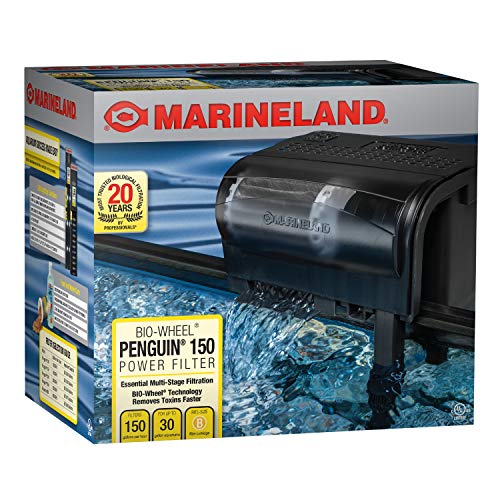
- REPLACEMENT MICRON CARTRIDGE: Provides excellent filtration for a clean and healthy aquatic environment.
Temperature and Lighting
Set the temperature according to your loach species’ requirements. Many loaches prefer slightly warmer water, usually in the range of 75-82°F. Use subdued lighting to mimic their natural habitats.
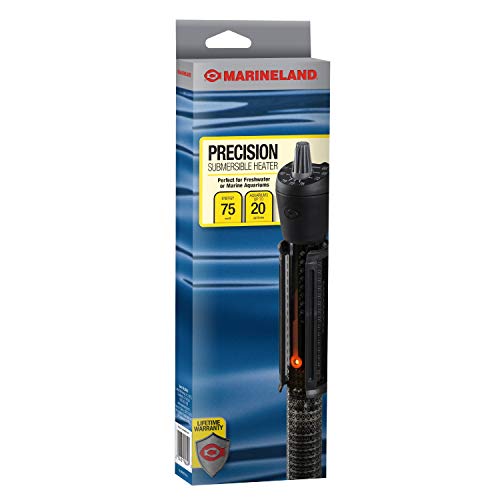
- This 75 watt heater is for aquariums up to 20 gallons. Adjustable temperature dial allows you to set the temperature 1 degree with every click.
Aquascape
Create a lush aquascape with live plants like Anubias, Java Fern, and Cryptocoryne. These plants not only provide shelter but also enhance the tank’s aesthetic while providing natural foraging opportunities.
Introducing Loaches
Introduce a small group of loaches to the tank. Acclimate them slowly by floating the bag in the tank for about 15-20 minutes to let the water temperature equalize. Gently release them into the tank afterward.
Diet and Feeding
Provide a balanced diet that includes sinking pellets, frozen foods, and live or freeze-dried treats. Loaches are scavengers and enjoy hunting for food, so offering a variety of options keeps them active and engaged.

Water Parameters
Regularly monitor and maintain water parameters such as ammonia, nitrite, nitrate, pH, and hardness. Stable water conditions are essential for the health of your loaches.

- Contains one (1) API FRESHWATER MASTER TEST KIT 800-Test Freshwater Aquarium Water Master Test Kit, including 7 bottles of testing solutions, 1 color card and 4 tubes with cap
Tank Mates
Select tankmates that share similar water requirements and temperament. Peaceful fish like Tetras, Rasboras, and Corydoras can make good companions for loaches.
Enrichment and Interaction
Provide mental stimulation for your loaches by adding PVC pipes, tunnels, and obstacles. These fish enjoy exploring their environment and interacting with their surroundings.
Which Type of Loach Is Better for Me?
Choosing the right type of loach for your aquarium depends on your experience level, tank size, water conditions, and the behavior of other fish in your tank.
- If you’re a beginner, Kuhli Loaches are a great choice because they’re hardy, easy to care for, and don’t require a large tank. They stay small (around 4 inches) and are peaceful, making them ideal for community tanks.
- If you have a larger tank and want a more active, colorful fish, consider the Clown Loach. While they’re stunning with their bright orange and black stripes, they can grow up to 12 inches, so they need plenty of space.
- For aquarists with a passion for unique, quirky species, the Chinese Hillstream Loach is fascinating to watch as it mimics a tiny stingray, but it requires cooler, highly oxygenated water with strong currents.
- If you have a smaller tank and want an active, social fish, the Dwarf Chain Loach is perfect, as it remains small (about 2.5 inches) and thrives in groups.
- For those with a bit more experience and a larger community setup, Yoyo Loaches or Zebra Loaches add vibrancy and energy to the tank but can be a bit more boisterous.
Ultimately, the best loach for you will depend on your tank’s setup, water parameters, and how much time and effort you’re willing to dedicate to maintaining their specific needs. Always research the specific requirements of any loach before adding them to ensure a happy, healthy aquarium environment.
What Can Live With Loaches?
Looking to create the ultimate loach-friendly community tank? Let’s dive into some of the coolest, most compatible tank mates that’ll keep your loaches happy and your aquarium lively!
Corydoras Catfish
These little guys are bottom-dwelling buddies just like your loaches! They’re playful, peaceful, and love to hang out in the sand. Corydoras and loaches share a passion for hiding spots and soft substrates, making them a perfect match. Plus, their friendly nature means they’ll keep your loaches company without any drama.
Tetras
Who doesn’t love a splash of color? Tetras are the life of the party with their bright colors and schooling antics. They’re super peaceful, and they bring nonstop energy to the mid-levels of the tank. Your loaches will enjoy the company, and you’ll get a tank that’s bursting with movement!
Gouramis
These colorful beauties glide gracefully around the tank, minding their own business. Gouramis and loaches get along splendidly since they stick to different parts of the aquarium. They’re not territorial, and they appreciate similar water conditions, so it’s like they’re made to be neighbors!
Rasboras
Looking for a low-maintenance, easygoing tank mate? Rasboras are a fantastic choice! These small, schooling fish add a burst of color without stirring up trouble. They’ll happily swim around, adding to the aquarium’s visual charm, while leaving your loaches to their bottom-dwelling adventures.
Swordtails
Sporting their signature “sword-like” tails, these guys bring a touch of elegance to any tank. Swordtails are peaceful and won’t pick on your loaches, but since they’re a bit bigger, make sure you’ve got enough room for everyone to stretch out and swim!
Bristlenose Plecos
These funky-looking algae eaters do double duty: they help keep your tank clean and add some quirky charm! They stick to themselves, munching away on algae, and won’t bother your loaches one bit. It’s a win-win!
Cherry Barbs
Cherry Barbs are like little red gems darting around the tank. They’re active, peaceful, and easy to care for. Plus, their bright colors create a stunning contrast against your loaches, making the tank look more vibrant and exciting.
Otocinclus Catfish
Tiny but mighty! Otocinclus Catfish are excellent algae eaters and make great loach companions. They’re super chill, love to hang out on leaves or glass, and won’t invade your loaches’ personal space.
Danios
Danios are the hyper kids of the aquarium world. They’re always on the move, adding tons of activity to your tank. Their playful, schooling behavior makes them great companions, and they’re hardy enough to handle the loaches’ occasional silliness.
FAQ
What Is The Friendliest Loach?
If we’re talking about loaches that are super friendly and get along well with others, the Clown Loach takes the spotlight. They’re playful, active, and like to hang out with other fish.
What Is The Best Loach For A Fish Tank?
The best loach for your tank depends on what you’re looking for and what’s going on in your aquarium. If you want a loach that’s with other peaceful fish, the Kuhli Loach is a good pick. They’re not big troublemakers, they’re kind of small, and they have a neat look.
Are Loaches Easy To Keep?
Loaches vary in their care requirements, but many species are relatively easy to keep as long as their specific needs are met. Some loaches, like the Kuhli Loach, are known for their adaptability and ability to thrive in a well-maintained aquarium.
How Many Loaches Should Be Kept Together?
Ideally, Loaches should be kept together in groups of 6 or more fish. And because, there are different kinds of loaches, it’s best to research the required number to ensure their happiness.
Do Loaches Produce A Lot Of Waste?
Loaches, like all fish, produce waste as part of their natural process. However, they’re not known to be excessive waste producers. Regular tank maintenance, such as water changes, helps keep their environment clean.
Will Loaches Clean Algae?
Many loaches are good at eating algae that can grow in the tank. They can be helpful in managing algae growth and keeping your tank looking clean.
Do Loaches Eat Snails?
Some loaches enjoy eating snails. Certain species, like Clown Loaches and Yoyo Loaches, have a taste for snails and can help control their population in the tank.
Do Loaches Eat Other Fish?
Generally, most loach species are not known to be aggressive predators of other fish. However, there have been observations of certain loaches, such as clown loaches, occasionally eating smaller fish if the opportunity arises.
Final Thoughts: Choosing the Right Loach for Your Aquarium
Loaches are fascinating fish with diverse appearances and behaviors. Whether you’re looking for a playful Clown Loach, a shy Kuhli Loach, or an exotic Bengal Loach, there’s a loach that can fit perfectly into your aquarium.
Before adding any loach, make sure you understand their specific needs. Provide them with the right tank setup, water parameters, and tank mates, and you’ll enjoy the unique personalities these fish bring to your underwater world. Happy fishkeeping!