

As an Amazon Associate I earn from qualifying purchases. Product links on this page may be affiliate links.
Last Updated on 2024-10-18
Betta fish are not just pets; they’re vibrant, elegant, and full of personality. Decorating their tanks isn’t just about making a pretty space for them to swim. It’s about creating an environment where they can thrive, explore, and feel safe. Whether you’re a beginner or an experienced fish keeper, choosing the right decorations for your Betta’s tank is crucial. Let’s dive into the best decorations that will not only enhance the beauty of your Betta’s home but also cater to their natural instincts.
Creating a Betta-Friendly Habitat
When decorating a Betta fish tank, it’s essential to think like a Betta. These fish are curious, territorial, and love having a space that mimics their natural habitat. The right decorations can make your Betta feel more at home and less stressed. Stress reduction leads to healthier fish, with brighter colors and longer fins.
To start, focus on the basics: plants, hiding spots, and surfaces for exploration. Bettas originate from shallow waters filled with plants, so replicating this environment is key. Using live or silk plants is an excellent choice as they provide both beauty and functionality. Live plants, such as Anubias or Java Fern, are particularly beneficial as they help in maintaining water quality by absorbing nitrates.
Substrate
Start with the foundation—the substrate. Smooth, small-grain gravel or soft sand is ideal for Bettas. It not only enhances the tank’s appearance but also provides a natural setting for live plants to root in. Opt for darker substrates like black or brown gravel, which can create a striking contrast with the vibrant colors of your Betta, making them stand out even more.
Silk Plants
These are perfect for Bettas because they are soft and won’t tear delicate fins. Silk plants come in various shapes and colors, giving you the freedom to design your tank creatively while keeping your Betta safe.
Live Plants
Live plants offer a multitude of benefits for your Betta’s habitat. They look natural and contribute to the ecosystem by oxygenating the water and reducing harmful nitrates. They also provide hiding spots and resting areas for your fish. Below are some top choices:
Anubias
Anubias is a hardy, low-maintenance plant that thrives in low-light conditions, making it perfect for Betta tanks. Its broad, dark green leaves are ideal for Bettas to rest on, mimicking the large leaves they might encounter in their natural habitat. Anubias can be attached to rocks or driftwood, allowing for versatile placement within the tank. Its slow growth means it requires minimal trimming, and it’s also resistant to most fish-related damage, ensuring a long-lasting addition to your aquarium.

SubstrateSource Anubias Nana Live Aquarium Plants – Potted Freshwater Plant for Fish Tanks, Terrariums – Beginner Friendly Low Light (1 Pot)
- Popular Aquatic Plant: Anubias Nana is one of the most popular aquatic plants loved by both beginners and experts alike, and will instantly give your aquarium, paludarium, or terrarium a lush and natural appearance
Java Fern
Java Fern is another excellent plant for Betta tanks, known for its ease of care and adaptability. This plant can grow in various conditions, requiring only low to moderate light. It features long, flowing leaves that provide excellent cover and hiding spots for Bettas. Java Fern should be attached to rocks or driftwood, as burying its roots in the substrate can cause them to rot. Its unique texture and appearance add visual interest to the tank, while also contributing to a more natural environment for your Betta.

SubstrateSource Java Fern Live Aquarium Plants – Potted Freshwater Plant for Fish Tanks – Beginner Friendly, Low Light (Java Fern, 1 Pot)
- Java Fern is one of the most popular aquarium plants and is loved by all skill levels due to its ease of care and its ability to instantly transform a normal aquarium into a captivating aquascape.
Amazon Sword
The Amazon Sword is a popular choice for creating a lush, natural look in your Betta’s tank. With its large, sword-shaped leaves, this plant can grow quite tall, making it an excellent background plant. Amazon Swords thrive in nutrient-rich substrates and moderate lighting. They offer ample cover for Bettas, allowing them to explore and hide among the dense foliage. Regular trimming is necessary to prevent overgrowth, but their robust appearance and functionality make them a staple in Betta aquascaping.

Large Amazon Bleheri Sword 18-24 inches Tall | Live Freshwater Aquatic Plant
- Easy live aquarium plant specie for any freshwater aquarium
- Create a natural habitat in your aquarium for your fish and invertebrates
- Make your fish tank look natural and beautiful
- Provide natural resting and hiding places for your smaller fish and invertebrates
Marimo Moss Balls
Marimo Moss Balls are unique, spherical plants that not only add a decorative element to your Betta tank but also provide environmental benefits. These moss balls are easy to care for and can survive in a range of water conditions. They help maintain water quality by absorbing nitrates and reducing algae growth. Bettas are often seen nudging or playing with these moss balls, making them a fun and interactive addition to the tank. Plus, they don’t require any special substrate and can simply be placed on the tank floor.
Hornwort
Hornwort is a fast-growing, adaptable plant that can be used as either a floating plant or anchored in the substrate. Its fine, feathery leaves create a dense, bushy appearance that provides excellent hiding spots for Bettas. Hornwort is also effective at oxygenating the water and can help outcompete algae due to its rapid growth. This plant requires minimal maintenance, though occasional trimming is necessary to prevent it from taking over the tank. Its versatility and ease of care make it a popular choice for Betta tanks.

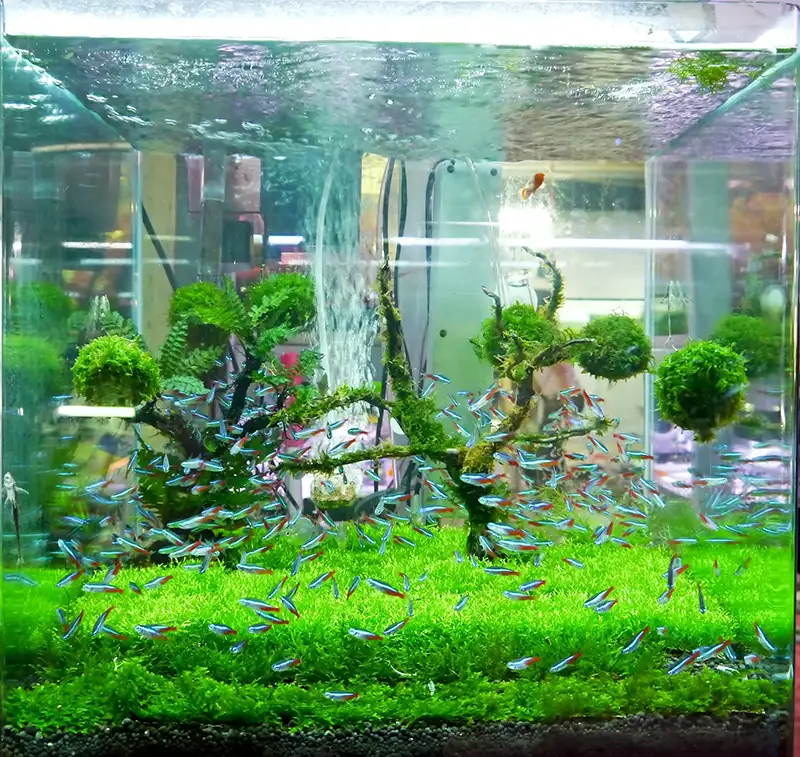
Floating Plants
Bettas also appreciate floating plants such as Duckweed or Frogbit. These create shaded areas, similar to their natural habitat, and make your Betta feel more secure. However, ensure they don’t cover the entire surface, as Bettas need access to the water’s surface to breathe.
Here are some of the best floating plants to consider for decoration:
Duckweed
Duckweed is a small, fast-growing floating plant that spreads across the water surface like a green carpet. Its tiny, rounded leaves create a natural shade, helping to lower light levels in the tank, which Bettas appreciate. Duckweed is easy to care for and grows rapidly, so regular thinning is necessary to prevent it from covering the entire surface. While it doesn’t provide much structural complexity, its simplicity and rapid growth make it an excellent choice for creating a more natural environment.

Frogbit
Frogbit is another popular floating plant, known for its larger, lily pad-like leaves that float gracefully on the water’s surface. This plant provides excellent cover for Bettas, creating shaded areas and helping to reduce stress. Frogbit has long roots that dangle down into the water, offering additional hiding spots and a unique visual element to the tank. It thrives in low to moderate lighting and requires occasional thinning to prevent overcrowding. Its aesthetic appeal and functional benefits make Frogbit a favorite among Betta keepers.

20+ Leaves Amazon Frogbit (Limnobium Laevigatum) – Live Floating Plant for Aquarium
- Scientific name: Limnobium Laevigatum. Common name: Amazon frogbit.
- Purifies Water: Amazon Frogbit naturally eliminates toxins like ammonia and heavy metals, ensuring a healthy aquatic environment.
- Lush Growth: Watch it flourish and add vibrant greenery, while aiding water quality.
Water Lettuce
Water Lettuce is a larger floating plant that forms rosettes of thick, velvety leaves on the surface of the water. This plant creates significant shade and can dramatically reduce the amount of light reaching the lower levels of the tank, which is ideal for Bettas that prefer dimmer conditions. Water Lettuce has long, trailing roots that not only provide additional cover for Bettas but also help to filter the water by absorbing excess nutrients. It requires ample space to thrive and should be managed regularly to prevent it from taking over the entire tank surface.
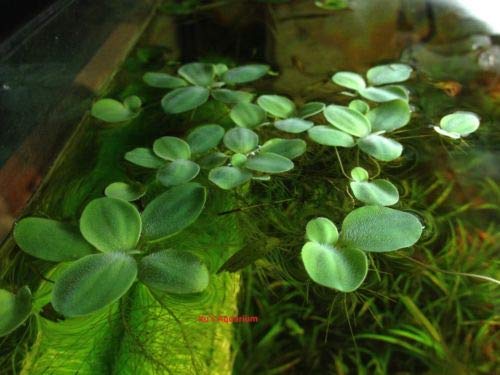
Salvinia
Salvinia is a small, fern-like floating plant with delicate, oval leaves covered in tiny hairs. These hairs repel water, allowing Salvinia to float effortlessly on the surface. It grows quickly under the right conditions, forming dense mats that create ample shade and a sense of security for Bettas. Salvinia is easy to care for and can tolerate a range of water conditions, though it does best in moderate lighting. It’s an excellent choice for those looking to create a natural, soft light environment in their Betta tank.

24 Water Spangles (Salvinia Minima), Live Aquarium/Aquatic/Floating/ Pond/Beginner Plant by G&Z
- PLEASE DO NOT BUY IF THE DAY TIME TEMPERATRUE IN YOUR AREA IS BELOW 35 OR ABOVE 85 FOR THE COMING WEEK
- Each order contains 24 water spangles, each plant should contain 4-6 leaves, see Picture #3 for reference
Red Root Floater
Red Root Floater is a visually striking floating plant known for its reddish hue and distinctive, trailing roots. The leaves of this plant turn a vibrant red under intense light, adding a splash of color to your Betta tank. Red Root Floater provides great surface cover, reducing light penetration and offering shaded areas for your Betta to explore. The long, red roots hanging beneath the surface also add an interesting texture to the tank, while helping to filter the water. It’s a relatively low-maintenance plant, but regular thinning is necessary to keep it from overcrowding the tank.

6 Red Root Floater (Phyllanthus Fluitans), Live Aquarium/Aquatic/Floating/ Pond/Beginner Plant, Aquascaping,planted tank … by G'z
- PLEASE DO NOT BUY IF THE DAY TIME TEMPERATRUE IN YOUR AREA IS ABOVE 85 FOR THE COMING WEEK
- Each order contains 6 red root floater
Natural Decorations: Driftwood
Driftwood is a versatile and visually appealing addition to any Betta fish tank. Not only does it enhance the natural look of the aquarium, but it also serves several important functions that can benefit your Betta’s well-being.
Benefits of Driftwood
- Hiding Spots: The complex structure of driftwood creates natural caves and crevices where your Betta can retreat and rest. This is crucial for reducing stress and giving your Betta a sense of security in its environment.
- Surface for Plant Growth: Driftwood is an excellent base for attaching live plants such as Anubias or Java Fern. These plants can naturally anchor themselves to the wood, creating a lush, integrated look that enhances the overall health and appearance of the tank.
- Natural Water Conditioning: Over time, driftwood releases tannins into the water, which can slightly lower the pH and create a more acidic environment that Bettas naturally prefer. These tannins can also give the water a slight amber tint, mimicking the blackwater environments found in the wild.
- Algae and Biofilm Growth: Driftwood often develops a thin layer of biofilm or algae, which some Bettas will enjoy nibbling on. This can provide an additional, natural source of enrichment and food in the tank.

Fluval Malaysian Driftwood Aquarium Décor
- Malaysian Driftwood – Native to wild Betta habitats, Malaysian Driftwood helps to create a natural looking aquarium and helps establish beneficial, amber-tinted water conditions through the release of tannins and other compounds that may help to promote overall fish health
Choosing the Right Hiding Spots
Bettas are naturally curious but also need a place to retreat and rest. Providing hiding spots in your tank helps them feel secure and reduces stress, which is vital for their overall health. There are various options available, each with its own set of benefits.
Caves: Small caves made of resin or ceramic are ideal. They give Bettas a place to hide, rest, and sometimes even build bubble nests. Look for caves with smooth edges to avoid injuries.
Betta Logs: Floating Betta logs are a favorite among Betta enthusiasts. These logs float on the surface, providing a cozy hideout where Bettas can rest close to the water’s surface. This is especially useful since Bettas often prefer to rest near the top of the tank.
Coconut Shells: If you prefer a more natural look, coconut shells make excellent hiding spots. They are safe, have a natural aesthetic, and Bettas love the cozy space they provide.

Adding Exploration Elements
Bettas are inquisitive creatures. They enjoy exploring their surroundings, so adding interactive elements to their tank can be very enriching. Think of decorations that stimulate their curiosity without causing harm.
Mirrors: A mirror can be used temporarily to stimulate your Betta’s natural instincts. When they see their reflection, they may think it’s another Betta and flare their fins. This behavior is healthy in moderation, as it encourages exercise and displays their vibrant colors. However, don’t leave the mirror in the tank permanently, as it can cause stress.
Leaf Hammocks: Leaf hammocks are small, artificial leaves that attach to the side of the tank just below the surface. Bettas love to rest on these, as it mimics their natural behavior of lounging on broad leaves near the water’s surface.
Tunnels: Tunnels made of smooth, non-toxic material can be a great addition to a Betta tank. These allow Bettas to swim through, hide, or explore, making their environment more dynamic.

Haulonda 3 Pack Betta Fish Hammock Plant Leaf Pad Fish Spawning Grounds Breeding Resting Bed
- EASY TO SET UP: Attach the fish bed to your pets tank or bowl about 3/4" below the waterline, creating a resting place near the surface and hiding spot for your pet Betta. Allows your Betta to rest near the surface of the water just like they do in nature.
Ensuring Safety in Your Betta’s Environment
While decoration is important, safety is paramount. Bettas have delicate fins and sensitive scales, so all decorations must be chosen with care.
Avoid Sharp Edges: Any decoration with sharp or rough edges should be avoided. Even a small cut can lead to infections or fin rot. Always feel the edges of any object before placing it in your Betta’s tank.
Safe Materials: Ensure that all decorations are made from fish-safe materials. Avoid metal objects as they can rust and contaminate the water. Look for decorations made of resin, ceramic, or aquarium-safe plastic.
Clean Before Use: Always clean new decorations before placing them in the tank. Rinse them with warm water to remove any dust or residues. Never use soap, as even small traces can be harmful to fish.
Balancing Aesthetics with Functionality
Decorating your Betta’s tank is a balancing act between creating a visually appealing environment and one that serves your Betta’s needs. A well-decorated tank should be beautiful, but it must also cater to the natural behaviors of your Betta.
Color Themes: Consider using a color theme that complements your Betta’s vibrant colors. For example, a dark substrate with green plants can make a red Betta stand out beautifully. However, ensure that your aesthetic choices don’t compromise the functionality and safety of the decorations.
Minimalism vs. Richness: Some aquarists prefer a minimalist approach with just a few key decorations, while others enjoy a tank full of plants and ornaments. Both styles can work as long as they leave enough swimming space for your Betta and don’t clutter the tank.
Lighting: Proper lighting not only highlights the beauty of your tank but also supports the growth of live plants. However, Bettas prefer dim or moderate lighting, so choose a lighting system that is not too harsh. Consider adding a timer to create a consistent day-night cycle for your Betta.
Common Mistakes to Avoid
Decorating a Betta tank can be fun, but it’s easy to make mistakes that could harm your fish. Here are some common pitfalls to avoid:
Overcrowding the Tank: Bettas need space to swim. Overcrowding the tank with too many decorations can restrict their movement and lead to stress. Always leave ample open space for your Betta to swim freely.
Ignoring Water Conditions: While decorations are important, maintaining proper water conditions is crucial. Regularly check the water quality, perform partial water changes, and ensure that your tank is properly cycled before adding any decorations.
Choosing Inappropriate Tank Mates: If you decide to add other creatures to your Betta’s tank, choose them carefully. Some fish or invertebrates may not get along with Betta fish, leading to aggression or stress. Always research potential tank mates before introducing them to the environment.
Check out the Best Tank Mates for Betta Fish
Bringing It All Together: The Ideal Betta Tank Setup
Creating the perfect environment for your Betta involves more than just placing a few decorations in a tank. It’s about understanding their needs, habits, and the environment they would naturally thrive in. Here’s how to bring it all together:
Start with a Suitable Tank Size: A minimum of 5 gallons is recommended for a Betta fish. This provides enough space for swimming, exploring, and decorating without overcrowding.
Layer the Substrate: Begin with a soft, smooth substrate. Gravel or sand works well, but avoid anything too sharp. A natural-looking substrate can enhance the overall aesthetic and provide a base for plant growth.
Add Plants and Hiding Spots: Arrange your plants and hiding spots thoughtfully. Place taller plants towards the back and sides of the tank, leaving open swimming areas in the center. Add caves, logs, and other hiding spots to create a natural, layered look.
Incorporate Floating Elements: Use floating plants or decorations to create shaded areas. This adds a sense of depth to your tank and makes your Betta feel more at ease.
Choose the Right Lighting: Use gentle lighting that enhances the colors of your Betta and supports plant growth. If possible, simulate a day-night cycle to mimic a natural environment.
Regular Maintenance: Keep the tank clean by performing regular water changes and removing any debris. This not only keeps the tank looking great but also ensures a healthy environment for your Betta.
Final Thoughts
Decorating a Betta fish tank is an art form that balances aesthetics with the well-being of your fish. The right decorations can transform a simple tank into a vibrant, engaging environment where your Betta can thrive. Remember, a happy Betta is a healthy Betta, and with the tips shared here, you’re well on your way to creating a Betta paradise. Whether you prefer a minimalist setup or a lush, plant-filled tank, the key is to keep your Betta’s needs at the forefront of your design choices.
Enjoy the process, experiment with different layouts, and most importantly, observe how your Betta interacts with its environment. Happy decorating!
FAQs
What are the best plants for Betta fish tanks?
- Anubias, Java Fern, and Amazon Swords are excellent choices for Betta tanks due to their low maintenance and suitability for the environment.
Can I use plastic plants in my Betta tank?
- It’s better to use silk plants, as plastic can have sharp edges that might tear your Betta’s fins.
How do I clean tank decorations?
- Rinse them with warm water before placing them in the tank. Never use soap or chemicals, as they can be harmful to your fish.
Do Betta fish need hiding spots?
- Yes, hiding spots help reduce stress and make your Betta feel secure.
Are mirrors good for Betta fish?
- Mirrors can be used sparingly to encourage flaring, but they should not be left in the tank permanently to avoid stress.
What size tank is ideal for Betta fish?
- A minimum of 5 gallons is recommended to provide enough space for swimming and decorations.
Can I put rocks in my Betta tank?
- Yes, as long as they are smooth and don’t have sharp edges that could harm your Betta.
Do Betta fish like floating plants?
- Yes, floating plants like Duckweed provide shade and a sense of security for Bettas.
What are some natural hiding spots for Bettas?
- Coconut shells and dense plant areas are great natural hiding spots for Bettas.
Can I use driftwood in a Betta tank?
- Yes, driftwood is safe and can provide a natural aesthetic while offering hiding spots.
How do I introduce decorations to an existing Betta tank?
- Introduce new decorations gradually and monitor your Betta’s reaction to avoid stress.
What colors do Bettas prefer in their tank?
- Bettas tend to like a natural color scheme with greens, browns, and dark substrates, which mimic their natural habitat.
About the author
